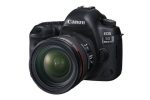
Photographing fireworks with a remote shutter release
Fireworks displays are unpredictable, bright and often brief. A burst can change from a soft orange glow to an intensely bright white shell within seconds, making automatic exposure vulnerable to sudden shifts. Photographing fireworks displays with a remote shutter release helps you avoid touching the camera at the critical moment, while a stable support and considered settings preserve detail in the trails.
A remote is especially useful when exposure times extend beyond a fraction of a second or when the camera is positioned below eye level. It also allows you to work with bulb mode, interval shooting and wireless controls without introducing movement. Prepare the camera before the first rocket leaves the launcher, practise the sequence in daylight and arrive early enough to secure a clear position.
Plan the display and your shooting position
Start with the organiser’s official event guide, viewing map and weather forecast. Sydney Harbour’s New Year’s Eve fireworks attract enormous summer crowds, with railway stations, ferries and roads managed through temporary closures and restricted areas. Melbourne’s New Year’s Eve displays around the city and Docklands may offer several shooting opportunities, so check which event has the strongest visual backdrop and whether late-night public transport will still be operating.
Australia Day fireworks around Lake Burley Griffin in Canberra provide a useful winter alternative. Some Canberra viewing areas, including events around Commonwealth Park, are ticketed or have designated entry points, and the January weather can be cold rather than warm. Plan your outfit, batteries and backup lenses for Canberra’s conditions instead of assuming every Australian fireworks event takes place on a hot summer evening.
Choose a position that offers an unobstructed launch area and some foreground interest. A waterfront can provide reflections, while a park may offer trees or buildings in silhouette. Check the direction of the wind because smoke often drifts toward spectators and can obscure later bursts. Bring water, a torch with a red filter and a small rubbish bag; many public events areBYO-friendly, but you should not assume food or drink is available near the launch zone.
Bring more than the minimum equipment. Two camera bodies are useful if one fails, while spare cards prevent a full card interrupting the display. The remote release may use a proprietary cable or a phone app, so confirm compatibility before the night and download any required software. For body-specific controls and image quality, read the linked camera performance review before choosing your equipment.
Choose settings for rapidly changing brightness
Begin in manual exposure mode with RAW recording, an ISO between 100 and 400, an aperture around f/8 and a shutter speed between one and four seconds. A starting exposure of two seconds often balances visible trails with the shape of individual explosions. The best setting depends on the display, your distance and local regulations, so treat these values as a reliable baseline rather than a fixed formula.
Watch the histogram during practice bursts. Bright shells can clip quickly, but preserving some highlight detail is less important than retaining the colour and shape of the explosion. If the frame is too dark, increase the exposure time before raising the ISO. A graduated neutral-density filter can balance a bright skyline with the night sky, while a standard three- or six-stop filter gives you more control over long exposures. Check filters for colour casts and flare before relying on them under launch lights.
Bulb mode is valuable when the display varies significantly in brightness. With the camera on a tripod, focus manually, lock the remote’s shutter button and choose an exposure appropriate to the current burst. Release the remote between launches rather than leaving it held down indefinitely, which can overheat the camera or drain its battery. Test the complete sequence at home, including menu navigation, shutter activation and the intervalometer, because troubleshooting a menu in the dark beside a crowd is frustrating.
Focus carefully and frame for the whole burst
Autofocus may hunt when darkness, smoke and distant lights dominate the frame. Set the lens to manual focus and use live-view magnification on a bright, distant point. You can also focus in daylight at infinity, but verify the actual infinity position because lens design and zoom range affect accuracy. Once focused, mark the focus ring with tape and avoid touching it during the display.
Compose for more than the point where the shell opens. Leave space above the launch area so rising trails have somewhere to travel, and include a recognisable feature such as Sydney Harbour, Melbourne’s Docklands skyline or Canberra’s lake landscape. Horizontal frames suit broad harbour displays, while vertical compositions work well for tall sequences. A lower viewpoint can make the fireworks appear larger, provided the launch area remains visible.
Use a solid tripod with a stable head and avoid extending its legs into a crowded walkway. Turn off image stabilisation if the camera will be firmly mounted on a tripod, as some systems may apply correction that softens the image. Remote operation reduces shake from pressing the shutter, but it does not correct movement caused by a flexible tripod, a sloping surface or people bumping the setup. Weight the tripod without blocking paths or sightlines.
Work safely around Australian spectators and event conditions
Event security may require bags to be checked, and prohibited items can include laser pointers, selfie sticks and certain drone equipment. Stay behind barriers and follow instructions from police, fire crews or event marshals. Public transport is usually the easiest way to reach major displays, yet services can become crowded immediately after the finale. Have a fallback route and consider meeting companions away from the busiest station exit.
For many Aussie photographers, the practical preparation happens during the arvo. Use the afternoon to charge batteries, clear memory cards and test the remote. A secure tripod bag, lens cloth and protective rain cover matter if the ground is damp or a sea breeze develops. In Sydney and Melbourne, summer heat can drain batteries quickly, while Canberra’s cooler conditions may bring condensation when warm equipment is moved from a heated room into the night air.
Take care when flying with the gear. On Australian domestic flights, spare lithium-ion batteries and power banks belong in carry-on baggage rather than checked luggage. Keep them protected from terminals and short circuits. Do not launch a drone over a crowd without the required CASA authorisation, and remember that event organisers may prohibit aerial photography even where aviation rules permit it.
Capture people as well as explosions
The display is only one part of the night. Family groups, children wearing novelty hats and friends checking the countdown can provide a stronger human story than another identical burst. Ask before photographing close-up portraits in a public place, particularly when children are involved. Include silhouettes when the sky is bright enough to outline people, and use the remote to make several exposures without asking everyone to hold still.
Keep a balanced set of images. Record wide scenes that establish the venue, medium frames that place people against the fireworks and close details of hands holding sparklers or flags. Reflections in puddles and harbour water create symmetrical alternatives when smoke blocks the sky. Leave room to edit later by capturing some clean skies and some smoke-filled frames, each with a different mood.
A dependable post-processing workflow begins by comparing exposures rather than treating every image identically. Correct the white balance, recover gentle detail from shadows and apply selective colour adjustments to the brightest trails. Background information about editing and imaging is available among Sensorgraphy’s photography guides, which can support decisions about RAW files, filters and colour management.
Finish with a sequence that moves between the spectacle and its setting: the first launch, a colourful peak, the smoke, and the crowd departing beneath the final sparks. A remote shutter release improves technical control, but timing, patience and awareness of the people around you determine whether the photographs feel complete.