Photographing Australian Wineries and Vineyards for Commercial Use
Commercial wine photography must work in several markets at once. A vineyard landscape may establish provenance, a bottle photograph may anchor a retail page, and a portrait may give a producer’s story a human face. The images also need to suit the brand colours, typography and tone chosen by the winery. A technically impressive frame can still fail if it does not connect with the intended audience or reproduce accurately across print, outdoor signage and mobile screens.
Australia offers exceptional locations, from Barossa Valley and Clare Valley to the Hunter, Yarra Valley, Margaret River and Adelaide Hills. However, distance, heat, variable weather and tightly controlled production schedules shape the assignment. Regional producers often operate lean teams, while wineries near Sydney, Melbourne, Brisbane and Adelaide regularly host visitors who expect polished hospitality and immediate social content. Commercial photography should respect both the working environment and that visitor experience.
Treat the winery as a commercial location as well as an agricultural business. Establish what must be photographed, when access is available and who can approve the finished work. Weather, harvest traffic, laboratory work and cellar-door demand can all affect the schedule. Planning the location, permissions and image set before arriving prevents a visually strong shoot from becoming an expensive collection of unusable files.
Planning the Commercial Brief and Access
Start by defining the required deliverables and their intended lifespan. A campaign for a new vintage might need broad vineyard views, close details of vines and soil, exterior and interior establishing shots, product images, staff portraits and short sequences for social media. Formats should be agreed in advance, including aspect ratios for website banners, portrait crops for mobile advertising, and high-resolution files suitable for large-format printing. This avoids treating a narrow crop designed for one platform as a universal master image.
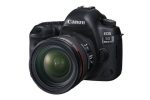
Equipment choices should follow the work rather than a fixed studio package. A lightweight full-frame body may be more suitable than a heavy medium-format system when moving between uneven rows, cellar doors and hospitality spaces. Useful lenses commonly include a short wide-angle zoom for constrained interiors, a normal prime for people and labels, and a telephoto for compressed vineyard views. Current photography resources and reviews can help narrow the options, but testing a body and lens combination in the field matters more than relying on a specification sheet.
Secure written access before the first frame is recorded. The agreement should identify permitted areas, production schedules, safety requirements, parking, power availability and the people authorised to approve images. Property releases may be needed for identifiable staff or visitors, while commercial use can require model releases in addition to ordinary portrait consent. It is also sensible to document the licence, duration and territory covering every photograph, music track or stock clip included in the campaign.
Scouting Vineyards, Cellars and Operational Realities
Vineyard sites change substantially through the Australian growing cycle. Spring brings frost risk, new growth and machinery on narrow tracks; summer creates hard overhead light and dust; autumn brings harvest crews, tasting-room activity and unpredictable rain. Winter can provide excellent structure and atmospheric detail, although some producers undertake pruning or maintenance then. Scout at the time relevant to the brief, and ask the vineyard manager about irrigation, spraying, visitor access and operational restrictions.
Regional travel needs its own planning. Distances between Adelaide and the Barossa or Margaret River are manageable, but travel around the Hunter can involve complicated crossings, and roads through smaller wine regions may have limited services or mobile coverage. Fuel, water, sun protection and offline maps belong in the kit. Cellar doors commonly operate on weekends and public holidays, so a quiet weekday morning may offer the cleanest access, while weekends provide active hospitality scenes if that is part of the campaign.
Agricultural biosecurity is a practical and legal concern. The Commonwealth Biosecurity Act 2015, state and territory plant-health rules and the winery’s own protocols may all affect entry. Soil, plant material and used vineyard equipment can carry pests such as phylloxera, so footwear, tools and vehicles should be handled according to the producer’s instructions. Never drive onto a working block or move soil without permission. If aerial images are required, check CASA drone rules and engage an accredited operator; sub-120-metre flight does not remove restrictions over people, near airports or for privacy reasons.
Lighting, Weather and Landscape Technique
The Australian sun demands deliberate exposure control. Midday light can be harsh, but the brightness of the sky may still exceed the camera’s dynamic range while vines and stone buildings fall into deep shadow. Shade can provide an opening for wide views, although it may also conceal the shape of the land. Working around cloud edges, seasonal haze and the softer light before sunrise or after sunset usually creates more dimensional photographs than applying heavy correction to a flat midday frame.
Heat and ultraviolet exposure affect people, equipment and colour accuracy. Schedule the physically demanding landscape work for the cooler parts of the day, keep batteries shaded and provide water for the crew. Polarising filters can deepen sky colour and reduce glare on leaves and damp soil, though they may also remove the subtle reflections that communicate freshness. Graduated filters are useful for broad skies, but bracketed exposures and careful blending provide more control around buildings and distant ridges. Smoke from bushfires or controlled burns can transform a location, so check regional fire information and air-quality warnings before travelling.
Build variety around a clear visual idea of the vineyard. Rows of vines can lead the eye through the frame, while repeated posts, irrigation lines and harvest crates establish rhythm and scale. The aim is not to photograph every row, but to show how soil, slope, canopy and light define the wine’s origin. Pair at least one broad landscape with details of leaves, grape clusters, bark, cellar stone and working hands. For commercial use, leave clean areas for copy and ensure no essential subject sits where a headline or product label will later be placed.
Capturing Wine, People and Brand Experience
Bottle and label photography requires consistency and restraint. A controlled setup with diffused light reveals the colour, clarity and texture of the wine while keeping the label readable and free of unwanted reflections. Photograph every required vintage and closure, and record details such as bottle position, liquid level and glass orientation. Product images should remain faithful to what the customer receives, particularly when a client’s marketing material depends on accurate colour and shape.
People make cellar-door and tourism imagery credible. Capture winemakers during explanation, hospitality teams preparing a tasting, or visitors discovering the property, but avoid interrupting service or staging every interaction. Australian cellar doors often become social gathering places on weekends, giving the opportunity to show an informal, welcoming side of the producer. Ask permission before concentrating on a customer, explain how the images will be used, and make sure an employee is not photographed while taking a private phone call or working around confidential production tasks.
Fast-moving social content can complement the formal campaign. A current comparison of smartphone photography apps can support remote approval, basic corrections and platform-specific edits. Phones are also useful for documenting the crew, weather and behind-the-scenes activity, provided their weaker dynamic range and limited control do not replace the primary photography. Deliver vertical clips separately from still images, and check audio requirements as well as resolution before filming a short interview or tasting sequence.
Post-Production, Colour and Delivery
Maintain a consistent editing workflow from the first import. Work from the original RAW files, preserve the camera profile and record every significant adjustment. White balance is especially important when moving between warm cellar lighting, green vine canopies and neutral studio light. A layered correction should address exposure and white balance before applying local refinements to glass, labels and skin. Avoid removing legitimate packaging details or changing a bottle’s vintage, closure and label in ways that could misrepresent the product.
Commercial claims deserve a separate check. Wine labelling and advertising operate under the Australian Food Standards Code, state and territory requirements, and applicable industry marketing codes. Statements about geographic origin, sustainability, organic production, awards and tasting characteristics may need evidence or particular wording. The photographer should not invent claims or imply that a staged scene documents a genuine event. Obtain approval from the winery and its legal or marketing advisers before text, captions and imagery are combined into a final advertisement.
Plan delivery around how the production team will use the files. Supply web-optimised JPEGs or WebP files where requested, high-resolution TIFFs for print, and layered working files only when the client’s storage system can support them. Include agreed crops without removing the master composition. Back up the card before leaving the winery, maintain at least two copies in separate locations and use clear file names showing the project, date, subject and version. When campaign audio is involved, confirm that music and stock footage licences cover the intended channels and duration.
Building Repeat Business and Reliable Field Practice
A strong handover is part of the photograph. Along with final assets, supply a contact sheet, a concise shot index and notes about the scenes that were not available because of weather, production activity or access restrictions. This lets the winery locate the right image quickly and understand why an alternative might be necessary. Preview files can accelerate social publishing, while final files should be colour-managed for the client’s principal print or digital workflow.
Repeat commercial work depends on continuity. Record the vineyard blocks, cellar entrances, tasting spaces and product ranges that appear in each brief, then build a visual archive that makes future campaigns faster. Australian producers often release vintages across the year and coordinate tasting events with tourism calendars, photography days and hospitality programming. Offering consistent formats and timely delivery turns a one-off assignment into a dependable production relationship without requiring every future shoot to begin again from scratch.
Reliability also protects the producer’s reputation. Arrive prepared for changing conditions, keep the winery informed when something cannot be completed, and never place access or safety at risk to obtain a more dramatic image. A commercial vineyard shoot should communicate place, product and people while remaining technically disciplined and ethically responsible. That combination creates an asset library capable of supporting seasonal campaigns, tourism listings, retail displays and editorial coverage long after the crew leaves the property.