Selling Photography Prints Online: Platforms and Pricing Strategies
Australian photographers have never had more ways to turn a camera file into a tangible product that travels across the country or halfway around the world. The infrastructure for print-on-demand has matured, payment gateways have simplified, and Australian audiences are increasingly willing to buy wall art directly from independent makers they follow online. At the same time, the sheer number of options can make it hard to decide where to list work, how to price it, and how to handle logistics without losing money on every sale.
This guide walks through the practical decisions that matter when selling photography prints online, from choosing the right platform to setting prices that reflect your skill and your costs. It draws on patterns common to Australian photographers, who often balance print sales with commission work, workshops, and travel.
Whether you shoot landscapes along the Great Ocean Road, urban architecture in Melbourne's laneways, or wildlife in the Kimberley, the principles below apply. Selling prints is as much about choosing the right business model as it is about the image itself.
The starting point is recognising that print sales are a long game. Building an audience, refining your catalogue, and learning the quirks of each platform takes time. Those who treat it as a side income stream with realistic expectations tend to stick with it long enough to see meaningful returns.
Evaluating the Best Platforms for Print Sales
Not all print services serve the same purpose. Some are built for artists who want full control over presentation and pricing, while others prioritise convenience and a built-in marketplace. Before uploading a single file, it helps to understand the trade-offs between print-on-demand services, self-hosted stores, and hybrid marketplaces.
The table below compares five popular options used by Australian photographers, with a focus on what each platform does best, typical base costs, and how they handle fulfilment within Australia. Pricing can shift with currency fluctuations, so the figures here are intended as a guide rather than a current quote.
| Platform |
Best For |
Base Production Cost (AUD) |
Service Fee or Commission |
Australian Shipping |
Customisation Options |
| Printful |
Quality and brand control |
$18–$45 per print |
No commission, you set retail price |
Flat-rate via DHL |
High: frames, paper, mounting |
| Printify |
Budget flexibility |
$12–$35 per print |
No commission, premium plan adds discounts |
Variable, depends on printer |
Wide range of mockups |
| Fine Art America |
Built-in art buyer audience |
$20–$60 per print |
30% commission to artist on retail |
Worldwide, Australia included |
Framed, canvas, metal prints |
| SmugMug |
Pro photographers with portfolios |
$25–$55 per print |
No commission, monthly plan fee |
Global, Australia Post partners |
Lab-quality papers, custom lab |
| Redbubble |
Casual creators and design-led work |
$15–$40 per print |
Artist earns 10–30% of base price |
Worldwide, local production hubs |
Stickers, apparel, homewares |
Each platform has its own onboarding flow, image upload requirements, and metadata conventions. Printful and Printify tend to appeal to photographers who already have a website or a Shopify storefront and want a streamlined backend. Fine Art America and Redbubble bring a marketplace element that may attract organic traffic from buyers searching for wall art by subject. SmugMug sits in the middle, offering portfolio features alongside integrated print sales.
For photographers who already sell through their own domain, pairing a hosted gallery with a print-on-demand backend often yields the highest margin. Those without a strong web presence may benefit from listing on a marketplace first while building direct traffic over time.
Understanding Production Costs and Pricing Models
Pricing prints is rarely as simple as doubling your cost. Photographers need to account for the base production price charged by the lab or printer, any platform commission or monthly fee, packaging materials, shipping, payment processing, and a margin that reflects their skill and the time invested in capturing and editing the image.
A useful starting point is to calculate the all-in cost of a single 30×40 cm archival print on cotton rag paper. If the base production cost is $35, packaging adds $4, domestic shipping averages $12, and the payment gateway takes roughly 2 percent of the final sale, the total landed cost before profit is around $52. From there, the retail price depends on the strategy: a 2x markup brings it to $104, while a premium 3x markup lands closer to $156.
Many Australian photographers use a tiered approach. Smaller prints in standard sizes are priced closer to a 2x markup to encourage impulse purchases, while limited edition larger pieces carry a 4x or higher markup. Edition size matters because scarcity supports higher pricing; a print run of 25 is easier to justify at $400 than an open-edition run of the same image.
It also helps to think about the lifetime value of a customer. A buyer who purchases a single print and loves the experience may return for a larger piece the following year, or recommend the work to a friend. Pricing too aggressively early on can shut off that longer-term relationship, while pricing too low can signal lower quality and discourage repeat business.
Tailoring Pricing for the Australian Market
The Australian photography market has its own rhythms. Art fairs in Sydney, Brisbane, and Melbourne draw serious buyers in the warmer months, while regional markets like the Salamanca Market in Hobart or the Mindil Beach Sunset Market in Darwin attract a more casual tourist crowd. Pricing that works at a Melbourne gallery opening may not suit a stall at a suburban weekend market.
Domestic buyers tend to be price-sensitive about shipping, particularly when international delivery from overseas printers can take two to three weeks. Offering prints produced within Australia, even at a slightly higher base cost, removes that friction. Photographers who use SmugMug with Australian lab partners, or who partner with local print labs in Melbourne and Brisbane, often find that faster turnaround justifies a small premium.
Seasonality also plays a role. November through January is the Australian summer and includes the busy holiday gift-buying window, when smaller prints and gift-sized pieces tend to sell well. Pricing promotional bundles during this period can move volume, while the cooler months from May to August often see stronger interest in larger statement pieces as buyers spend more time indoors.
It is worth noting that Australian consumers increasingly expect free or low-cost shipping thresholds. Many sellers absorb a portion of the shipping cost into the print price or offer free shipping above a certain order value, such as $150 or $200. Building that expectation into your pricing model from the start avoids the disappointment of a buyer who walks away at the checkout.
Building a Brand That Sells Prints
Selling prints is rarely just about the photograph. Buyers respond to the story behind the image, the consistency of the catalogue, and the personality of the maker. Photographers who treat their print sales as part of a broader brand tend to outperform those who simply upload files and hope for the best.
A coherent body of work matters. A gallery of misty seascapes paired with sharp street photography and bright macro shots can feel scattered. Curating a tighter collection, even if it means leaving some strong images off the site, helps buyers understand what the work is about and whether it suits their home or office.
Engaging with broader conversations in the photography world also helps. Participating in active photographer communities online builds visibility, brings feedback on new work, and occasionally introduces a print buyer who has been watching the artist's progress for years. Even informal groups on social platforms can become a steady source of referrals.
Pairing strong imagery with thoughtful presentation makes a difference. High-quality mockups, consistent colour grading across the catalogue, and a clear artist statement on the website all contribute to perceived value. Buyers who see a $200 print presented on a clean white wall mockup with a brief paragraph about the location are more likely to convert than those who see the same image on a flat background with no context.
Shipping, Packaging, and Local Fulfillment
Shipping is where many first-time print sellers lose money or damage their reputation. Australian geography is vast, and sending a rolled print to Perth from Sydney costs more than sending it to a buyer in New Zealand. Understanding the options helps set realistic shipping expectations for buyers.
Australia Post remains the default for many sellers, with parcel delivery ranging from two to seven business days depending on the destination. For Sydney-based photographers, same-state delivery is often a flat rate under $10, while Perth and Darwin deliveries can climb above $20. Some sellers use courier aggregators like Sendle or CouriersPlease to access cheaper rates for non-urgent parcels.
Packaging should protect the print during transit without making the parcel oversized. Acid-free tissue, a sturdy triangular mailer, or a flat cardboard tube all work for different print sizes. Including a small card with the artist's signature, a brief artist statement, and care instructions adds a personal touch without significant cost.
For photographers selling limited editions, including a certificate of authenticity with the print number and edition size reinforces the value of the work. This small extra step signals professionalism and helps protect the long-term resale value of the piece.
Reaching Australian Buyers Through Marketing
Marketing prints to an Australian audience benefits from local context. Search engines, social platforms, and email lists all respond well to geo-targeted content. Blog posts about photographing at Bondi Beach, in the Blue Mountains, or around Hobart's waterfront can pull organic traffic from buyers searching for regional art.
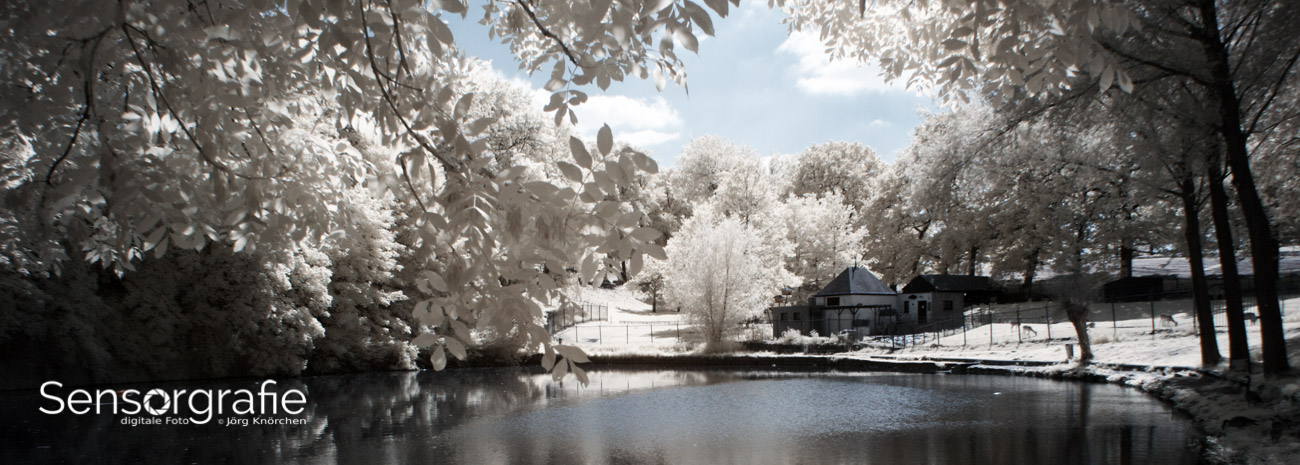
Photography that explores how to photograph reflections, for instance, often appeals to buyers drawn to abstract, contemplative imagery. Linking such tutorials back to a print shop gives readers a natural path from free content to a paid product.
Social media remains a major discovery channel. Instagram in particular rewards consistent posting and engagement with local hashtags like #sydneyphotographer, #melbourneartist, or #brisbanelandscapes. Pairing educational posts with finished print reveals keeps the audience engaged without feeling overly sales-driven.
Email lists still outperform most other channels for direct sales. Offering a free desktop wallpaper or a small print discount in exchange for an email address builds a list that can be marketed to during launch periods, seasonal sales, or new release announcements. Once the list reaches a few hundred engaged subscribers, it can become the most reliable source of income from print sales.
Tax, Copyright, and Legal Basics for Sellers
Australian photographers who sell prints regularly should familiarise themselves with the basics of tax and copyright law. If turnover from print sales, workshops, and any other photography income exceeds the GST threshold, currently $75,000 per year, registration for GST and an Australian Business Number are required. Many photographers register for an ABN voluntarily even below that threshold, as it allows them to deal with wholesalers and claim input tax credits.
Copyright in Australia is automatic and does not require registration. The photographer owns the copyright in their work from the moment it is created, even if they sell a physical copy. Selling a print does not transfer copyright unless explicitly stated in writing. Limited edition prints typically come with a clear statement that the buyer owns the physical print but not the right to reproduce the image.
It is also wise to keep records of edition numbers, sales, and buyer details for at least five years. The Australian Taxation Office can request records, and clear documentation makes end-of-year reporting far less painful. For higher-value sales, a simple contract outlining the edition number, the medium, the price, and the rights transferred protects both the photographer and the buyer.
Practical Recommendations for Print Sellers
- Start with one platform and a tight collection of ten to twenty strong images before expanding to others.
- Calculate your all-in cost per print, including production, packaging, shipping, and payment fees, before setting any retail price.
- Price smaller and standard sizes closer to a 2x markup and use editioned larger pieces to carry higher margins.
- Produce locally where possible to reduce shipping times and avoid the disappointment of slow international delivery.
- Build an email list early, even if it starts with friends and family, as it will become your most reliable sales channel.
- Keep clear records of editions, sales, and expenses from day one to simplify tax time and protect your copyright.