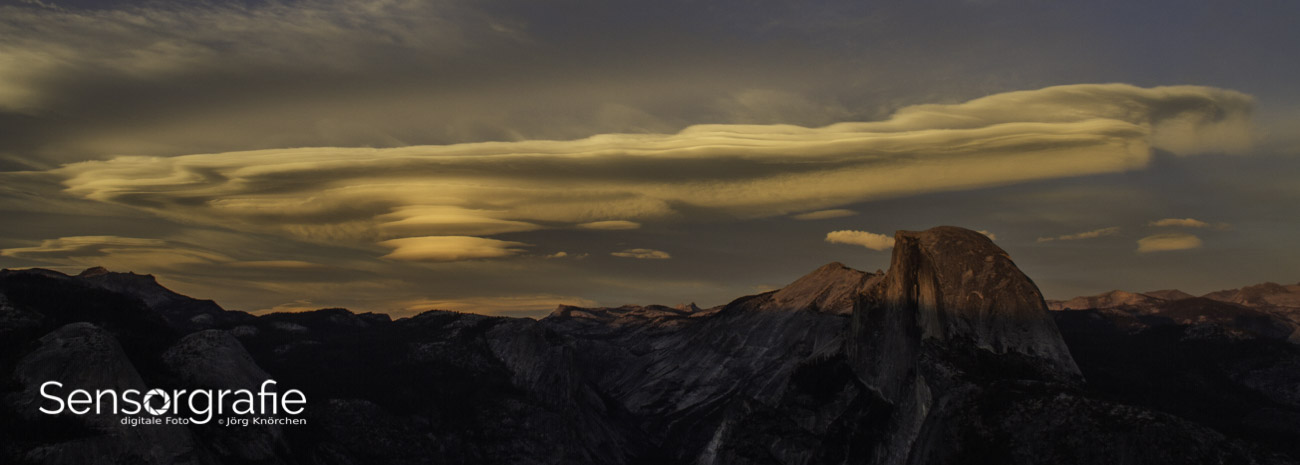
A practical guide to photography competitions and galleries
Photography rarely needs just one kind of exposure. A competition can test how an image holds attention under judging, while an open call can place a broader body of work before a curator. Submitting to photography competitions and galleries works best when the purpose, audience and rights attached to each opportunity are clear.
Start with the work rather than the deadline. Decide what your photographs communicate, who might value them and whether you want an award, exhibition, publication, licensing income or representation. A measured submission programme costs less than producing new work for every open call and gives each image the strongest possible chance of being seen in its intended context.
Choose the right route for your photographs
Most useful opportunities fall into four groups: judged competitions and awards, curated open calls, stock and licensing agencies, and direct approaches to galleries or publishers. They reward different qualities. A competition may favour immediate visual impact, while a gallery may prioritise continuity, print sales and your ability to sustain a creative practice.
Before entering, name the result you want. If the aim is professional visibility, an award with recognised judging and transparent judging criteria may provide useful validation. Commercial licensing suits images with broad editorial or promotional appeal. A curated gallery call is more appropriate when your pictures form a distinct series with a clear concept.
A healthy programme combines routes without treating every opportunity equally. Spend time on two or three carefully matched submissions each month, maintain an archive of eligible images and reserve funds for entry fees, printing, framing or travel. This creates consistency without weakening the work through excessive repetition.
Build a submission-ready body of work
A coherent body contains more than a folder of attractive photographs. Look for a visual thread involving subject matter, treatment, colour, composition or narrative. For a sequence, an opening image can establish the subject, supporting frames can develop it and the final image can leave a deliberate echo rather than simply ending.
Edit ruthlessly while preserving your visual voice. Remove near-duplicates, weak frames and images that depend on technical rescue. Check crops at full size, inspect shadow detail and compare colour decisions across the set. A gallery should be able to move through the sequence without encountering abrupt changes that appear accidental.
Prepare two versions of the work. The first is a clean digital portfolio suitable for a website, PDF submission or screen presentation. The second is a print plan listing paper, dimensions, edition sizes and framing choices. Captions need specific information: title, place, date if relevant, series context and a concise explanation of what the photographer wants the viewer to notice.
Match the brief and read the rules
Competition rules determine whether an image is eligible. Check who counts as the entrant, residency requirements, photograph dates, image limits, prior awards, file dimensions, colour settings, naming conventions and permitted software. Some competitions restrict generated or materially altered images, while others require disclosure of specific editing methods.
Read the category description closely. Match the work to the actual subject rather than choosing the broadest category available. Judges often compare many similarly themed entries, so a fresh treatment can be more effective than extra visual complexity. Titles and captions should support the image without borrowing language from another photographer’s work.
Obtain model releases for recognisable commercial subjects and property releases where required. Do not assume a venue’s permission covers every person pictured. Australian privacy and consent expectations can also apply when private events or identifiable individuals are involved. For photographs of Aboriginal and Torres Strait Islander people or restricted cultural material, seek guidance from the relevant community and use its preferred names, language and attribution practices.
Prepare files, prints and presentation
Create a high-quality master for every photograph and preserve the original camera files. Produce competition files at the exact requested dimensions, using the specified colour space and format. Avoid repeated resizing, sharpening or recompression. Check file size limits before uploading, remove unwanted metadata only when the rules require it and keep a backup copy of the submitted version.
Print presentation matters in open calls and gallery submissions. Specify archival pigment paper or another suitable professional stock, then account for Australian humidity, heat and UV exposure when selecting frames and glazing. Acrylic glazing offers useful impact resistance, while conservation glazing may be appropriate for fragile works. Record edition numbers and keep purchase details for every physical piece.
Good field preparation supports both judging and later gallery sales. Consistent camera preparation practices, exposure notes and location records make it easier to explain a series and reproduce essential images if a printer or editor needs technical information. Send physical work only when requested, and use insured Australian Post or courier services whenever originals must travel.
Research the Australian market
Sydney and Melbourne have dense networks of commercial galleries, studio spaces, publishers and art events. Their established precincts provide strong access to collectors, but competition for visibility is correspondingly intense. Emerging areas can offer closer contact with curators and a more welcoming setting for a first approach, although leases and exhibition costs should be investigated carefully.
Brisbane, Adelaide, Perth and regional centres often provide access to subjects and audiences that are harder to reach from the larger eastern capitals. Tourism, environmental, documentary and urban-renewal photography can have particular relevance outside Sydney and Melbourne. Follow calls from state institutions, local councils, tourism organisations and regional galleries rather than relying only on national advertising.
National competitions associated with publications such as Australian Photo, along with awards such as the Australian Photography Awards, can provide credible exposure when their current rules and judging align with your goals. Verify deadlines, categories and entry conditions directly because formats and partner organisations may change from year to year.
Australian submissions also require practical and legal awareness. Entry fees and print sales may be quoted in Australian dollars, so foreign entrants should check exchange rates, card charges and international transfer fees. Australian businesses may need to consider GST, invoices and ABN details where applicable. Copyright normally remains with the creator under Australian law, while the Visual Artists Copyright Act 1968 protects attribution and integrity; read any proposed commission, exclusivity or resale agreement before signing.
Submit carefully and manage communication
Keep a submission record containing the opportunity, deadline, category, fee, file version, delivery address and confirmation number. Convert deadlines into Australian Eastern Time and check daylight-saving changes. Upload early enough to replace a rejected file, but review the final entry immediately before pressing submit. A copied confirmation should be stored with the application.
Send galleries a concise email with a link to a compressed portfolio rather than attaching several large files. Include a short biography, relevant exhibition history and a direct explanation of the proposed fit. Research the gallery’s current programme before approaching it. If an open call asks for an artist statement, write clear prose about process and intent instead of reproducing the press release or curatorial language.
Use a submission quality review process to compare the image, caption, statement, permissions and entry information against the published conditions. Save notices and correspondence, and follow up only after the stated review period. A rejection is rarely a judgement about an entire career, so retain the application details and use future submissions as evidence of a sustained practice.
Compare opportunities and run a campaign
Assess each opportunity against five practical measures: audience fit, judging or curatorial credibility, cost, permission requirements and rights granted. A lower fee does not automatically make a competition worthwhile if the audience is poorly aligned, while a prestigious open call may justify production costs only after checking whether selected artists pay for transport or installation.
Equipment, editing and workflow coverage on Sensorgraphy resources can support the technical side of a submission programme, but the final decision should remain grounded in the photographs themselves. Review shortlisted projects at different sizes, ask whether every image earns its place and confirm that the proposed format suits both online viewing and physical presentation.
| Route |
What the organiser is assessing |
Common cost |
Rights outcome |
Strongest fit |
| Judged competition |
Immediate impact, craft and category relevance |
Entry fee, optional print or travel costs |
Usually non-exclusive, with publicity defined by the rules |
A strong single image or concise sequence |
| Curated open call |
Cohesive series, conceptual clarity and print readiness |
Submission may be free; production may follow selection |
Commonly non-exclusive unless a separate contract applies |
A developed body of work |
| Stock licensing |
Commercial usefulness, technical quality and search relevance |
Free registration, hosting or annual-plan charges |
Non-exclusive licence with defined usage rights |
Editorial, promotional or evergreen imagery |
| Direct gallery approach |
Market relevance, consistency, pricing and professional presentation |
Portfolio, prints, framing and possible transport costs |
Commission, consignment or licence terms should be negotiated in writing |
Building an Australian exhibition and sales practice |
The strongest submission programme is selective, documented and designed for a specific outcome. It reserves time for coherent editing, careful preparation and informed follow-up while protecting copyright, cultural responsibilities and realistic budgets. Each accepted application then becomes part of a professional record rather than an isolated attempt to gain exposure.