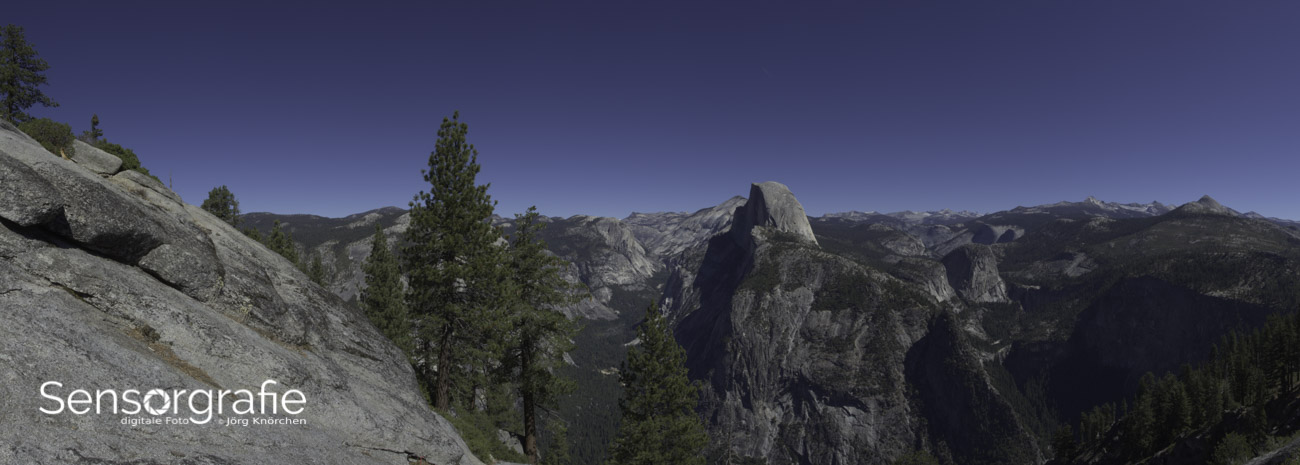
Watermarking your images without compromising visual impact
Watermarking remains one of the most accessible forms of visual protection available to photographers, yet the execution often determines whether the mark becomes an asset or an eyesore. A poorly placed logo or a heavy transparent overlay can drag down an otherwise striking frame, particularly when the image is destined for a portfolio website, a print sale, or a submission to a stock library. The challenge for many Australian shooters, from weekend enthusiasts capturing the Sydney coastline to commercial operators working across Melbourne and Brisbane, is finding the balance between asserting ownership and preserving the photograph itself.
The Australian photography market has matured considerably over the past decade, with social platforms, online galleries, and direct-to-client sales becoming the norm. Watermarks serve several overlapping purposes: they discourage unauthorised reuse, reinforce brand recognition when images circulate online, and provide a traceable signature when photographs appear in editorial or commercial contexts. Done well, a watermark becomes almost invisible during normal viewing yet remains impossible to remove cleanly, which is the ideal compromise every photographer should aim for.
Why Australian photographers need watermarks
The legal framework in Australia offers genuine protection for visual creators. Under the Copyright Act 1968, original photographs are automatically protected from the moment they are created, with the photographer holding exclusive rights over reproduction, communication, and adaptation. A watermark does not replace that protection, but it does make enforcement easier because the visible mark establishes a clear link back to the creator when an image is shared or reposted without permission. The Australian Competition and Consumer Commission has also highlighted concerns about misleading imagery online, which means a recognisable watermark can help prevent your work from being falsely attributed to another party.
Beyond legal considerations, watermarks serve a practical marketing function. A landscape photographer selling prints of the Twelve Apostles, or a wedding photographer building a reputation in Adelaide, benefits when their signature appears consistently across every shared image. Recognition builds slowly: a small, elegant mark in the corner of every Instagram post, gallery thumbnail, or client preview is far more effective than a large diagonal banner that viewers instinctively scroll past. For those investing in new gear, exploring a thoughtful camera review often leads to conversations about how each photographer intends to brand and protect the output of that equipment.
Many emerging Australian photographers underestimate how quickly their images travel. A single upload to a Flickr group, a Redbubble listing, or a community photography forum can be scraped and redistributed within hours. Watermarks slow that process down. They also signal professionalism, which matters when pitching to galleries such as those attached to the Australian Centre for Photography or when applying to contribute to local stock libraries. The mark says, in effect, that the image was made by someone who intends to be credited and paid.
Strategic placement and opacity settings
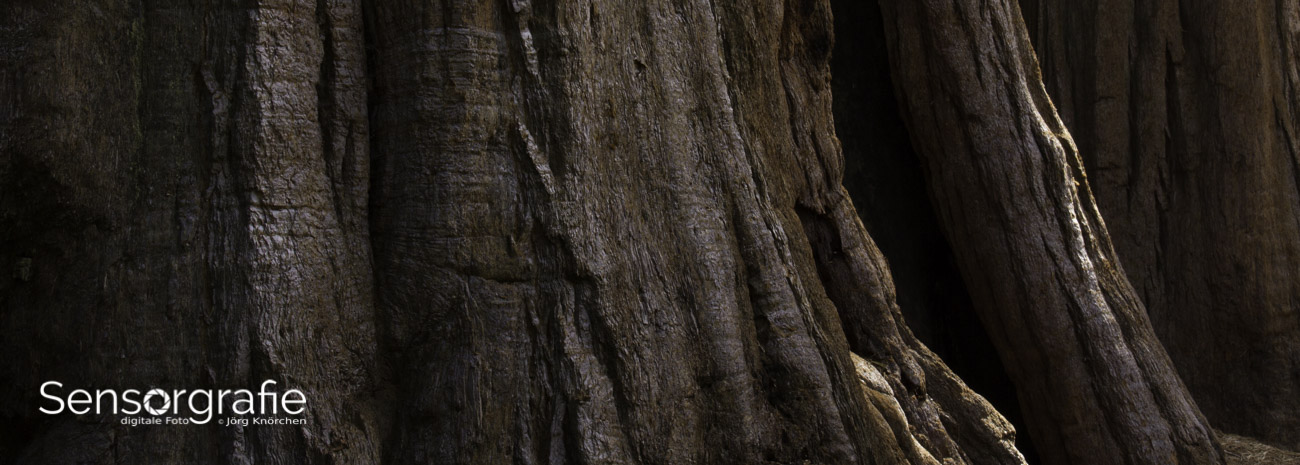
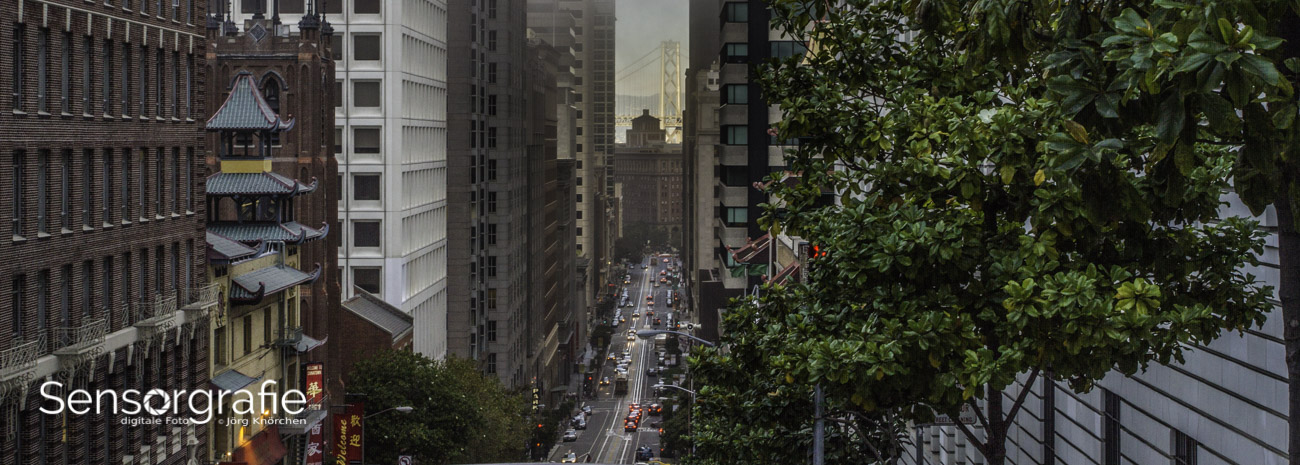
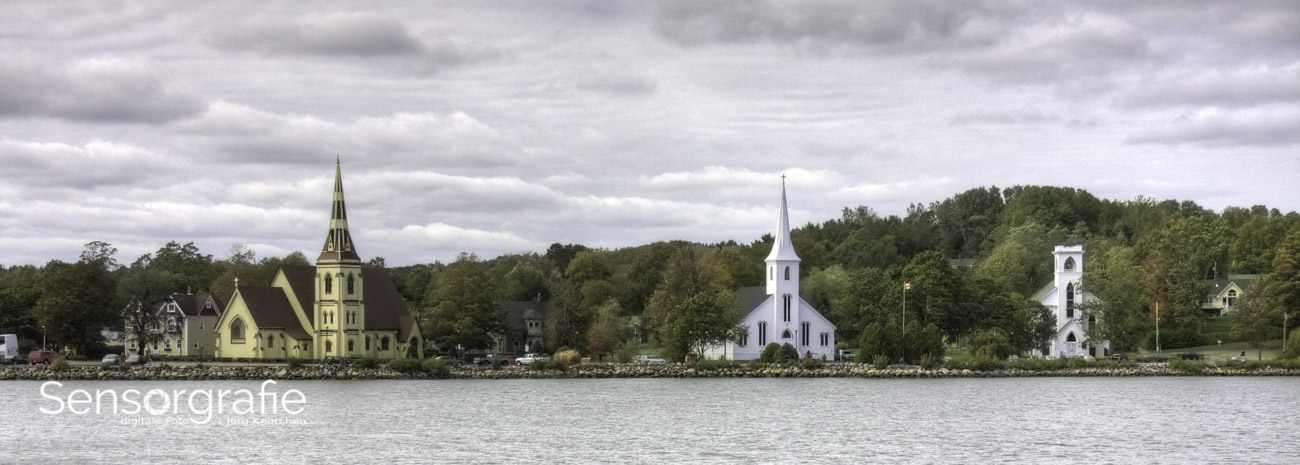
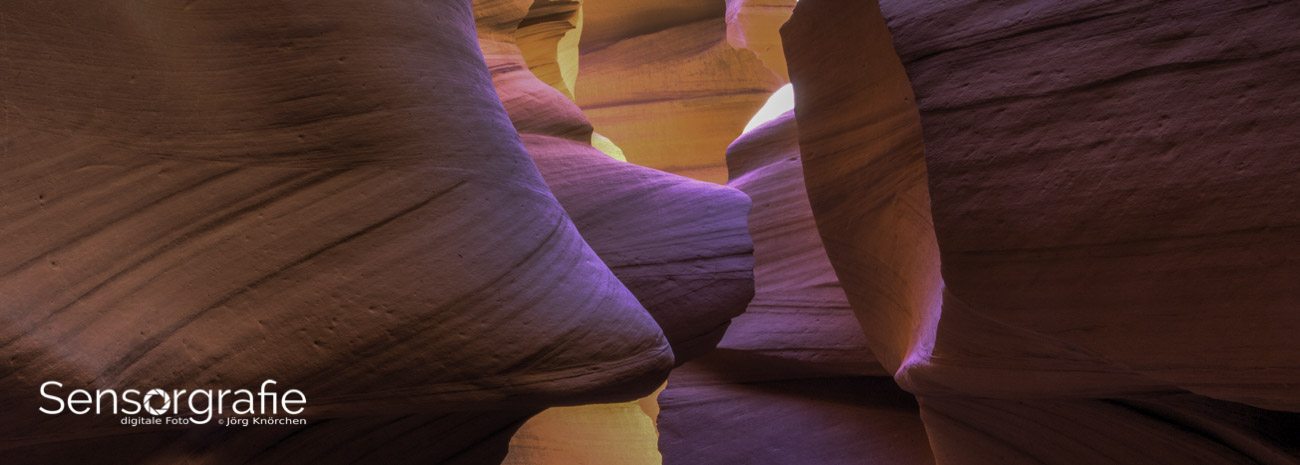
Placement is the single most important decision in any watermarking workflow. The traditional bottom-right corner remains popular for a reason: viewers' eyes tend to settle there after scanning the main subject, and a small mark in that position reads as a signature rather than a stamp. Placing a watermark across the centre of the frame, by contrast, almost always diminishes the photograph, even when the opacity is low. Centre placement should be reserved for situations where attribution is paramount, such as editorial submissions where the image might otherwise be cropped at the edges.
Opacity is the next critical variable. Most working photographers settle somewhere between 15 and 35 percent visibility, depending on the background. A dark logo against a moody seascape requires less opacity than a light wordmark against a bright sandy beach, because the eye reads contrast before it reads transparency. Testing on a calibrated monitor helps, as does previewing the watermarked image on an iPhone or Android device, since mobile screens tend to render blacks slightly differently than desktop monitors. Some photographers maintain two versions of their watermark, one tuned for darker scenes and another for high-key work.
Size and proportion matter as much as opacity. A watermark should be large enough to read at typical viewing sizes, but not so large that it dominates the composition. A common guideline is to keep the mark no larger than roughly five to eight percent of the frame width, though this varies with subject matter. Macro and wildlife photographers often push toward the larger end because their work is more likely to be cropped and reposted, while minimalist landscape work can carry a much smaller, almost invisible mark. Cities like Perth and Hobart have strong landscape photography communities where this kind of restraint is particularly valued.
Designing a watermark that reflects your brand
A watermark is a piece of design and should be treated with the same care as a logo. The best marks share several traits: clean typography, a single weight of letter, no decorative flourishes that will not survive resizing, and a colour choice that complements the majority of your portfolio. A wedding photographer working out of Brisbane, for instance, might lean toward a thin sans-serif in white with a soft drop shadow, while a documentary shooter might prefer a simple monogram in a neutral grey. The key is consistency. Once a mark is chosen, it should appear identically across every channel where images are shared.
Avoid cluttering the watermark with extra information. A copyright symbol, the photographer's name, and perhaps a year are usually enough. URLs, phone numbers, and taglines tend to date quickly and add visual noise. If clients need contact details, they can find them through the portfolio site itself; the watermark's job is to identify, not to advertise. Many Australian photographers also include the country, abbreviated as "AUS" or "AU," which adds an extra layer of attribution should the image travel internationally.
Consider creating variants for different contexts. A subtle, almost invisible mark works well on a portfolio gallery, while a more assertive version is appropriate for previews sent to potential clients or for images uploaded to social media where they will be compressed and resized. Some photographers keep a third variant for editorial submissions to publications such as Australian Geographic, where the watermark may need to survive heavy resizing while still respecting the editorial layout. Designing these variants in advance, rather than improvising each time, produces a far more professional result.
Software tools for applying watermarks efficiently
The right tool depends largely on volume. Photographers processing a handful of images a week can manage comfortably inside Adobe Lightroom or Photoshop, both of which allow watermarks to be saved as presets and applied during export. Capture One offers similar functionality, and Affinity Photo has become a popular alternative among Australian creatives looking to move away from subscription pricing. The main advantage of working inside an existing editing workflow is consistency: the watermark is applied at the same moment the image is resized and sharpened, which prevents the forgotten-export problem that leads to unmarked files circulating online.
Batch processing becomes essential once the image count climbs into the hundreds. Tools such as ImageMagick, FastStone Photo Resizer, and dedicated utilities like Visual Watermark handle large folders quickly and allow detailed control over placement and opacity. For photographers delivering through galleries, platforms like SmugMug, Pixpa, and Squarespace offer built-in watermark options, though these are usually worth supplementing with a custom-designed mark applied upstream. Cloud-based services are increasingly viable for Australian shooters working across multiple machines, though local processing still tends to be faster for high-resolution files.
When evaluating equipment or software investments, it is worth reading widely before committing. A budget tilt-shift breakdown reminds us that the right tool often depends on the photographer's specific workflow, and the same applies to watermarking utilities. Some tools integrate better with particular camera ecosystems, while others excel at handling RAW files from older bodies. The best choice is usually the one that fits seamlessly into the editing pipeline you already use, rather than the one with the most features.
Practical recommendations for effective image watermarking
A few habits separate professional-looking watermarks from amateur ones, and they tend to be straightforward once adopted. The following recommendations cover opacity, placement, design, and workflow, drawing on practices common among Australian photographers working across editorial, commercial, and fine-art contexts.
- Keep opacity between 15 and 35 percent, adjusting based on the tonal range of each image.
- Place the mark in the bottom-right or bottom-left corner, avoiding the centre of the frame whenever possible.
- Use a simple, high-contrast wordmark or monogram rather than a full logo with multiple colours and elements.
- Save multiple watermark variants: one subtle for portfolio use, one more assertive for client previews and social media.
- Test every watermark on both desktop and mobile screens before rolling it out across a full gallery.
- Re-export and update watermarks annually to reflect current branding and contact information.
Building these habits into a repeatable workflow saves considerable time over the course of a year. Many Australian photographers find it useful to add watermark application as the final step in their export preset, so the mark is applied automatically whenever a file leaves the editing environment. This single change dramatically reduces the number of unmarked images circulating online and ensures consistency across every channel. Over time, the mark becomes recognisable in its own right, reinforcing the photographer's identity without distracting from the work itself.