Backyard bird photography: techniques for Australian gardens
Australia's backyards are among the most rewarding places on the continent to point a lens at wildlife. From the raucous call of a kookaburra at dawn in a Brisbane suburban garden to a tiny superb fairy-wren darting between lavender bushes in a Melbourne courtyard, the country offers an extraordinary variety of subject matter right outside the kitchen window. The trick is knowing how to attract birds, anticipate their behaviour, and use the right combination of camera settings and light.
This article walks through practical methods for photographing birds close to home, drawing on Australian species, seasonal patterns, and local considerations. Whether you're working in the outer suburbs of Perth, the leafy streets of Adelaide, or a coastal property in Hobart, the techniques below translate across climates and bird populations.
Getting to know your local birdlife
Australia hosts more than 800 native bird species, and a surprising number visit suburban gardens. Before picking up a camera, spend a few patient afternoons watching who comes to your patch. In many Sydney and Canberra backyards, rainbow lorikeets and sulphur-crested cockatoos dominate the morning feed, while smaller birds like silvereyes, honeyeaters, and wrens move through later in the day. In drier regions around Adelaide or inland Queensland, you may instead attract apostlebirds, galahs, and the occasional red-rumped parrot.
Each species behaves differently. Kookaburras often perch on a fence post and stay put long enough for careful focusing. Fairy-wrens are restless, hopping through low shrubs and disappearing at the slightest movement. Magpies, beloved for their warbling song but sometimes aggressive during breeding season, favour open lawn areas where they forage for grubs. Recognising these patterns lets you choose a vantage point, lens length, and shutter speed that suit the subject, and many photographers keep a notebook of seasonal visitors to help predict arrivals.
Choosing the right camera and lens setup
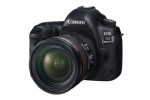
Excellent bird photographs can be made with a wide range of equipment. A mirrorless body with a fast autofocus system is helpful, but a DSLR with a reliable centre-point sensor still produces sharp results. What matters more is the lens. A telephoto zoom in the 200-600mm range is the workhorse for backyard bird photography, allowing you to fill the frame with a small bird while keeping enough distance to avoid disturbance. For smaller garden species like finches and wrens, a 300mm or 400mm prime often gives sharper results and faster autofocus.
Beyond the lens, consider shutter speed carefully. For perched birds, 1/500s is usually enough to freeze subtle head movements. For birds in flight, such as a cockatoo taking off from a feeding tray, you will want 1/1600s or faster, paired with continuous autofocus and burst mode. A wide aperture of f/5.6 or f/4 helps separate the bird from busy garden backgrounds. For detailed equipment recommendations, the team at Sensorgraphy regularly publishes hands-on comparisons.
Core gear for backyard bird photography
- A telephoto lens covering at least 200mm, ideally with image stabilisation
- A camera body with fast, accurate continuous autofocus and a respectable burst rate
- A stable support such as a tripod, monopod, or beanbag for long focal lengths
- Protective covers and a microfibre cloth for unpredictable Australian weather
- Spare batteries and memory cards, since cold mornings and busy shoots drain both quickly
Preparing your backyard as a bird-friendly studio
Photographing birds begins long before you raise the camera. Australian backyards can be deliberately shaped to attract wildlife and provide predictable perches. Native flowering shrubs such as grevillea, banksia, and bottlebrush pull in honeyeaters and lorikeets, while a shallow birdbath placed near a low branch becomes a magnet for everything from crested pigeons to the occasional dusky moorhen in suburban Brisbane. A small feeding station with seeds or nectar, cleaned regularly to avoid disease, increases your chances of close encounters.
Think about perches you can control. A weathered fence paling, a lichen-covered branch, or a simple wooden stand placed near a feeder gives birds somewhere predictable to land, which means you can pre-compose your shot rather than tracking a frantic animal. Some photographers hang background cloths in muted greens or browns to eliminate distractions, while others let the natural garden foliage serve as a backdrop. Once the setup is in place, sit quietly at the same spot for several mornings in a row so birds learn that a still human with a camera is no threat.
Light, timing, and Australian seasons
Australia's intense sunlight is both a blessing and a curse. Harsh midday sun creates blown highlights on white cockatoo plumage and deep shadows that hide detail in a wren's feathers. Early starts and late finishes pay dividends. The hour after sunrise, especially during the milder months between April and September, offers warm, low-angle light that wraps around their forms and brings out feather detail.
Late afternoon light is equally valuable, particularly during the long summer evenings of December and January, when birds are active again and the colour temperature adds a golden glow. Overcast days, common along the southern coast of Sydney and across much of Tasmania during winter, produce beautifully soft, even light that suits close-up portraits and removes harsh shadows. Spring brings breeding colours and active nest sites, though Australian wildlife protection laws apply strongly here, while autumn and winter concentrate birds around reliable food and water sources.
Reliable camera settings for active birds
- Shutter priority at 1/1600s or faster for birds in flight
- Continuous autofocus with subject tracking enabled
- Wide aperture around f/5.6 to blur busy garden backgrounds
- Auto ISO with a ceiling of around 6400 to keep shutter speeds up
- Burst mode set to high, since wing positions change in a heartbeat
Composition and creative approaches
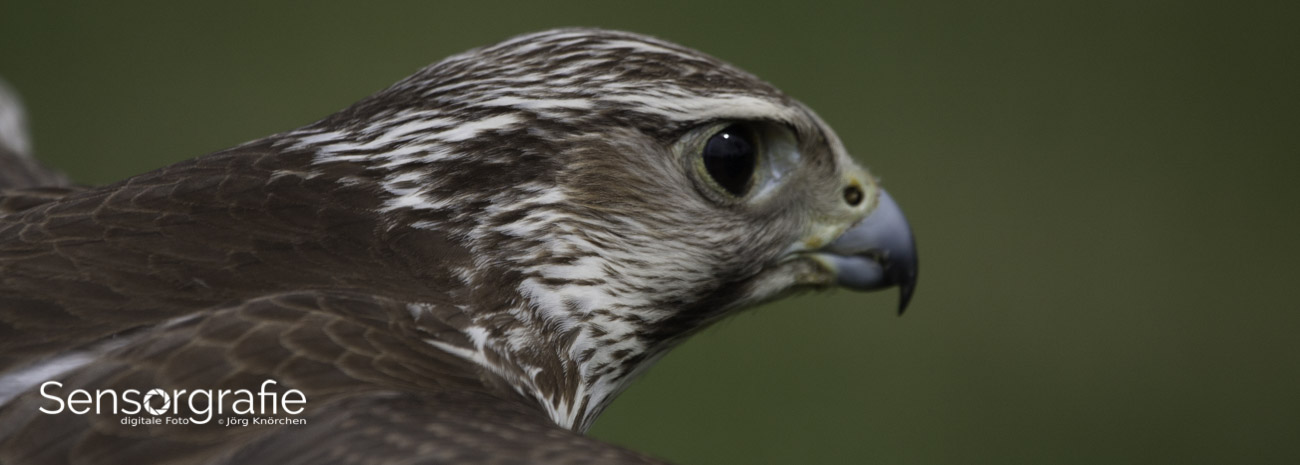
A technically sharp image of a bird in flat light is forgettable. Composition gives photographs personality. Start with the rule of thirds and position the bird's eye on an upper third line for a natural, engaging frame. Leave space in the direction the bird is looking or flying, which gives the image breathing room and creates a sense of movement. Eye contact is critical for bird portraits, so wait for that moment when the subject turns toward you.
Try varying your angle. Eye-level shots are intimate and dignified, particularly for small birds like fairy-wrens perched on a low twig. A slightly higher angle looking down on a bird bathing in a shallow dish creates a different mood altogether. For flying birds, get low and shoot upward against a clean sky for graphic shapes, or include a flowering branch to give the species a sense of place. Backgrounds deserve as much attention as the bird itself, and small adjustments in your shooting position often eliminate bright spots behind the head or twigs crossing the face. For a structured process that builds on these ideas, the ten-step technique walkthrough takes you from planning through to final export.
Post-processing your avian images
Editing is where good photographs become finished photographs. Raw files capture far more data than JPEGs and give you flexibility to recover detail in shadows and tame bright whites on cockatoos and galahs. Start with subtle adjustments to exposure, contrast, and white balance. Australian light can be tricky, with warm morning tones that may look yellow on a feathered subject, so cooling the image slightly often produces more natural colour.
Selective sharpening on the bird's eye and beak draws the viewer to the focal point. Use a local adjustment brush to soften distracting twigs in the foreground or to brighten the bird's plumage. Noise reduction is useful when shooting at higher ISO values, common during early morning or late evening shoots, but apply it gently to avoid smudging feather detail. Consider cropping for impact rather than just for size, and be careful not to overdo saturation, particularly on reds and greens, which can quickly look unnatural.
Legal and ethical considerations in Australia
Photographing birds in your own garden is generally low-risk from a legal perspective, but there are still important considerations. All native Australian birds are protected under state and federal wildlife legislation, including the Environment Protection and Biodiversity Conservation Act. This means you must not harm, disturb, or interfere with them in ways that cause stress. Avoid playing recorded calls to lure birds in, as this can distress breeding pairs and attract predators.
Privacy laws also apply if your lens captures neighbouring properties. In dense urban areas of Melbourne or Sydney, a long lens pointed over a fence can inadvertently include people in private spaces, so be mindful of your background and frame. Local councils sometimes have bylaws about feeding wildlife, so check with your municipality before installing permanent feeding stations. Consider your impact on the birds themselves: move slowly, keep noise down, and never chase a stressed or fledging bird. The most rewarding backyard bird photographs are the ones that leave the subject undisturbed and behaving naturally.