Fireworks Photography With Manual Exposure
Fireworks turn a dark sky into a fast-changing mixture of light, smoke and colour. Automatic camera modes often struggle because the frame is mostly black, while each burst can be many stops brighter than the surrounding scene. Manual exposure gives you control over that contrast and makes it easier to record crisp trails, layered bursts and recognisable landmarks.
The same approach works at Sydney Harbour on New Year’s Eve, Brisbane Riverfire, Melbourne’s Moomba celebrations and smaller community displays around Australia. You do not need the most expensive mirrorless body or a specialist fireworks lens. A stable tripod, a wide or standard focal length, a cable release and a considered exposure are usually more valuable than a large camera bag.
Choose The Location And Composition
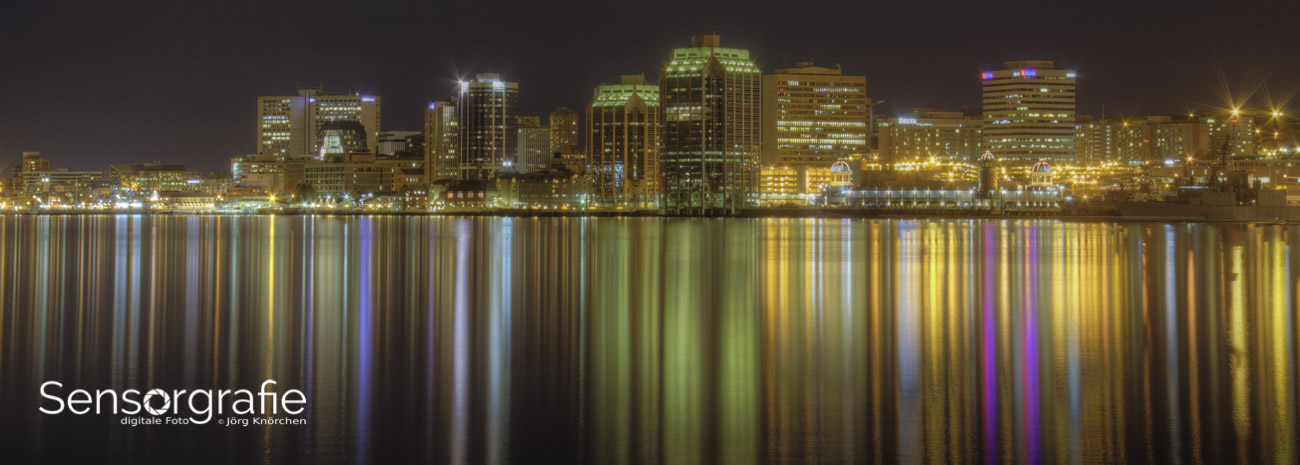
Arrive early enough to study the direction of the display and decide what should appear beneath the explosions. A skyline, bridge, jetty or line of spectators gives the photograph scale. At Sydney Harbour, for example, the Harbour Bridge and Opera House can provide a strong visual anchor, while a riverside position in Brisbane may require a wider view to include both the fireworks and reflected light on the water.
Check the likely wind direction before choosing your position. Smoke can drift across the display and soften later bursts, especially during a long show. A position upwind of the launch area often produces cleaner skies, although event boundaries and public access matter more than an ideal photographic angle. Respect barriers, emergency lanes and the space needed by families attending the event.
Use a lens that leaves room around the expected burst. Fireworks can spread farther than anticipated, and cropping a little later is preferable to cutting off the top of a plume. A 24–70mm zoom on a full-frame camera is versatile; a 16–35mm lens suits a close foreground or a landmark, while a 50mm lens can isolate individual bursts from a distant viewing area.
Set the camera low enough to include foreground detail without allowing heads and phones to dominate the frame. Check for bright streetlights, advertising screens and temporary event lighting that may enter the composition. If the display is part of Vivid Sydney or another illuminated festival, take a few test frames before the fireworks begin so you understand how the extra light will affect the scene.
Prepare The Camera For Manual Control
Shoot in RAW to preserve colour information and give yourself greater flexibility with highlights, shadows and white balance. Set the image style or picture profile to a neutral option if you also record JPEG files, but remember that the RAW file retains the important data. Turn off automatic ISO and choose a fixed value, usually ISO 100 or ISO 200 in a dark outdoor setting.
A useful starting point is an aperture between f/8 and f/11, ISO 100, and a shutter speed of two to six seconds. These settings are a starting point rather than a rule. A single burst may need only one second, while several rising shells and overlapping trails may benefit from four seconds. Digital cameras make it easy to inspect the result and adjust without wasting film.
Set focus before the show. Use autofocus on a distant building, light or other far subject while there is still enough illumination, then switch the lens to manual focus. Refocus carefully at infinity, but do not automatically push every lens beyond the infinity mark; many lenses focus slightly past infinity and can produce soft stars and fireworks.
Turn off long-exposure noise reduction if it creates a delay after every photograph. A dark-frame cycle can prevent you from capturing the next burst, and modern cameras generally handle short fireworks exposures well. Disable optical or sensor stabilisation when the camera is firmly mounted on a tripod, because stabilisation systems can sometimes introduce small movements while they search for vibration.
White balance is worth setting manually rather than leaving it on Auto. Fireworks contain strong reds, blues, greens and golds, so a neutral setting around daylight or approximately 4000–5000K can provide consistent colour from frame to frame. A practical explanation of colour temperature and camera settings is available in this white balance guide, which is useful when comparing a series of exposures later.
Build Stability Into Every Exposure
A tripod is the foundation of sharp fireworks images. Extend the thicker leg sections first, keep the centre column low and place the feet on solid ground rather than a flexible boardwalk. Hang a camera bag from the tripod only if it remains still; a swinging bag can make the entire setup less stable in wind or a crowded viewing area.
Use a remote release, cable release or the camera’s two-second self-timer. A wireless remote is convenient, but test it before the display begins and keep the camera’s connection clear. Some cameras can be triggered from a phone, although wireless controls may be slower than a simple physical release when bursts appear in quick succession.
Electronic front-curtain shutter or a fully electronic shutter can reduce vibration, provided the camera does not create banding or distortion with the event lighting. Mechanical shutters are still perfectly usable when the camera is stable. Avoid touching the tripod during the exposure, and keep straps secured so a gust cannot move them.
A sturdy tripod is especially valuable at busy Australian waterfront events, where foot traffic can transmit vibrations through a pier or viewing platform. Arrive with enough time to negotiate the practical details: a safe place for the legs, clear access for other people and protection from accidental knocks. Camera insurance and weather protection are sensible considerations when working near water or in a large crowd.
Time The Shutter For Better Trails
The most important creative decision is how long the shutter remains open. Short exposures around one second can freeze a compact burst with clean, bright lines. Exposures of two to four seconds record the full rise, explosion and falling trails, while longer settings combine several bursts into a dense pattern that may become difficult to read.
A bulb or time mode gives you more control than a fixed shutter speed. Open the shutter just after a shell launches, then close it when the trails fade. A black card held in front of the lens between bursts can allow several fireworks to accumulate in one frame without recording unnecessary light from the gaps. Do not touch the lens or card against the camera, and avoid blocking the view for longer than necessary.
Watch the sky and listen for the launch. The faint rising streak often appears before the main explosion, giving you a useful cue to begin the exposure. With practice, the delay between launch and burst becomes predictable. This timing technique is more reliable than pressing the shutter randomly and hoping a burst lands in the frame.
Review the histogram as well as the preview image. Bright white and gold fireworks can clip quickly, even when the rest of the image looks dark. If highlights are blown, reduce exposure by lowering ISO, closing the aperture or shortening the shutter. If trails are thin and dim, open the aperture slightly or extend the exposure, but avoid raising ISO too quickly because it can make the empty sky noisy.
Practical Fireworks Checklist
Make the first few frames deliberately conservative. Begin at ISO 100, f/8 and about two seconds, then adjust after inspecting the shape and brightness of the trails. The best manual exposure depends on launch power, distance, smoke, moonlight and nearby city illumination, so there is no universal setting that works for every Australian display.
Before the first major burst, confirm that the lens is focused, the battery is charged and the memory card has space. RAW files can consume capacity quickly, especially with a high-resolution camera. Keep a spare battery in an inside pocket during a cool evening, and protect equipment from condensation when moving between an air-conditioned car and humid outdoor air.
Use this field checklist as a quick preparation routine:
- Mount the camera on a stable tripod and lower the centre column
- Select RAW, manual exposure and a fixed ISO of 100 or 200
- Focus on a distant subject, then switch the lens to manual focus
- Start around f/8 with a two- to four-second shutter speed
- Set white balance manually for consistent colour
- Trigger the camera remotely or with a self-timer
- Check highlights, framing and smoke after the first few bursts
Keep a little room in the composition until you learn the display’s spread. Zooming out during the show can change the balance between the landmark and the sky, so it is usually safer to begin wide and crop later. If the fireworks are consistently too high in the frame, tilt the camera down only between exposures and avoid bumping the tripod.
Refine Colour And Detail In Post-Processing
Begin editing by selecting frames with clear burst shapes, attractive spacing and minimal smoke. A single strong photograph often communicates more effectively than a frame filled with overlapping explosions. Look for variety across the set: broad chrysanthemums, fine willow trails, rising comets and reflections can each contribute a different visual rhythm.
Adjust exposure carefully and recover highlights only when detail remains in the RAW file. Lowering highlights can restore some colour in bright trails, but it cannot recreate clipped white pixels. Shadows may be lifted slightly to reveal a bridge or skyline, although keeping the sky deep and clean usually creates a stronger contrast with the fireworks.
Correct white balance consistently across the series, then fine-tune tint if green or magenta casts appear in smoke. Increase vibrance with restraint; aggressive saturation can turn red fireworks orange and blue fireworks electric cyan. A modest clarity or texture adjustment may define trails, but excessive sharpening also emphasises sensor noise and smoke.
Use lens corrections to remove distortion and darkening around the edges, particularly with a wide-angle lens. Crop distractions from the sides and straighten horizons before applying heavier edits. Noise reduction should target the dark sky without smearing fine trails. If several frames have clean fireworks but different foreground exposure, blend them carefully while keeping the result believable.
Fireworks photography can also include sound and atmosphere when a camera or phone records short video clips. If you are pairing still images with ambient audio for a gallery or event post, microphone choice affects wind noise and crowd detail; this microphone comparison offers useful context for evaluating recording equipment. Keep the still-photography workflow separate from the audio setup so extra cables or devices do not disturb the tripod.
Save the original RAW files and export finished images in sRGB for general web use. For prints, retain a high-resolution version and check how deep blacks and saturated reds appear on the chosen paper. A carefully exposed frame from a modest camera can look excellent when composition, timing and colour are controlled from capture through final export.