Photographing Abstract City Reflections in Glass Skyscrapers
Towering glass facades across Australian capitals have become canvases for photographers chasing the surreal. When sunlight grazes the mirrored curtain walls of a high-rise, the surrounding streetscape bends, stretches, and folds back onto itself. The result is a kind of accidental cubism where pedestrians and clouds collapse into a flattened plane. Working with these reflections means letting go of straight documentation and leaning into mood, geometry, and suggestion.
For Australian shooters, the country's intense sunlight and dense coastal skylines create unusually rich opportunities for this genre. Sydney's commercial heart around Barangaroo, Melbourne's Collins Street canyon, and Brisbane's riverside towers provide glass-heavy environments that shift dramatically throughout the arvo. Local photographers often note how a single cloud can transform a flat facade into a swirling palette, and that volatility is what makes the work so addictive.
Choosing the Right Equipment for Mirror-Image Capture
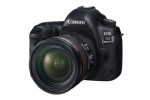
A reliable mirrorless body with strong dynamic range gives the headroom needed to hold detail in both bright sky reflections and shadowy street fragments. Most Australian photographers reach for full-frame sensors because the wider field of view helps compress distant skyscrapers into dense, layered compositions. A 24-70mm zoom tends to be the workhorse for handheld wandering, while a 70-200mm lets you isolate architectural fragments from across a plaza. Local retailers such as Ted's Cameras and Camera House carry both new and second-hand options, with used bodies often starting around AUD $1,800.
Polarising filters are nearly mandatory. They cut the glare that washes out the reflection, allowing colour and shape to return to the mirrored surface. A circular polariser also lets you dial in how much reflection versus direct view you want, which is essential for steering the image toward the abstract. Expect to spend around AUD $80 to $250 for a decent filter from Australian stockists.
Tripods are useful but often impractical in crowded CBD footpaths. In-body stabilisation combined with a stable stance usually serves better, though a small monopod can help when shooting longer focal lengths across wide avenues.
Chasing the Right Light in Australian Skyscraper Districts
Light is the engine of this kind of photography, and Australia's latitude gives it some of the harshest sunlight on the planet. Midday sun flattens reflections into bright, featureless sheets, so most practitioners head out in the golden hour or wait for overcast conditions where soft light wraps evenly across the glass. Winter arvos in Sydney and Melbourne deliver long, low sun that rakes across facades at dramatic angles, while summer mornings in Brisbane offer clean reflections before humidity softens the air.
Backlighting is particularly powerful. Position yourself so the sun sits behind a reflective tower and watch how the building's interior glows through the glass, blending with the reflected sky. Around Circular Quay in Sydney, late afternoon light bounces between historic stonework and modern towers, creating layered colour plays that feel almost painterly. In Perth's Brookfield Place precinct, angled facades throw unexpected ribbons of light onto adjacent footpaths, perfect for capturing reflections within reflections.
Weather matters too. A passing shower leaves droplets clinging to the glass, refracting the city into tiny prisms. Stormy skies produce deep, brooding reflections that contrast beautifully with interior office lights, an effect often seen around Martin Place after a sudden summer downpour.
Finding Composition in Glass and Steel
Composition in abstract skyscraper work relies less on classic rules and more on the eye's appetite for pattern, rhythm, and surprise. Look for repeating mullions, fractured sky fragments, and warped silhouettes of pedestrians or vehicles. Often the strongest images hide the building's identity entirely, reducing it to colour fields, lines, and soft tonal transitions. Filling the frame with just a sliver of mirrored glass can yield a near-painting quality that pulls the viewer in.
Seek out intersections where multiple reflective surfaces face each other, creating a recursive tunnel effect. The glass corridors of Melbourne Central or the new towers near Sydney's George Street often deliver this kind of infinite-loop geometry. Crouch low to include a sliver of pavement or a shadow line, anchoring the floating abstraction to a sense of place. Tilting the camera slightly, perhaps ten or fifteen degrees off axis, frequently turns a flat reflection into something more dynamic.
Negative space plays an important role. Allow portions of the image to remain soft or featureless so the busier sections stand out. Melbourne photographers working in the laneways near Flinders Street deliberately include the gritty textures of heritage brick alongside polished glass, contrasting old and new within a single frame.
Camera Settings for Tackling Bright Reflections
Exposing for reflective glass is essentially exposing for two scenes at once: the bright sky or building interior and the darker reflected street. Spot metering on the brightest reflection area usually prevents highlights from blowing out, though it may plunge the rest of the frame into shadow. A middle-ground compromise involves metering on mid-tones and exposing to the right without clipping. RAW capture is essential because the file's latitude lets you recover shadows and tame highlights later.
Aperture choices shape how abstract the final image feels. Stopping down to f/8 or f/11 keeps architectural lines crisp, ideal when geometry is the subject. Wider apertures around f/4 introduce gentle blur that softens hard edges and leans further into painterly abstraction. Shutter speed is rarely a concern in daylight, though when capturing people moving through reflections, a slower speed around 1/30 sec can smear figures into ghostly trails.
White balance can shift the emotional temperature of the image. Cooler settings emphasise the clinical, futuristic feel of polished facades, while warmer tones bring out the golden hues of late afternoon reflections. Shooting with auto white balance and adjusting later offers flexibility when moving quickly between sunlit and shaded sides of a tower.
Post-Processing Techniques for Distorted Reality
Editing is where abstract reflection work often crystallises. Start by straightening converging verticals if the building's perspective feels too literal, though many photographers leave a slight tilt to keep the dreamlike quality intact. Pull down highlights gently to recover detail in the brightest reflections, then lift shadows to reveal darker reflected street elements. Local adjustments using radial filters let you selectively brighten or darken specific zones, such as a warped pedestrian or a glowing window inside the tower.
Colour grading carries enormous weight in this genre. Subtle desaturation can turn a chaotic reflection into a moody monochrome study, while pushing blues and teals enhances the cold mirror effect often seen on glass after rain. Many Australian shooters lean into the deep cobalt skies common to coastal cities, layering subtle teal shifts to make those tones sing. Workflows that walk through compositing multiple frames, similar to the approach outlined in creating layered composites, can help when the dynamic range simply exceeds what a single exposure can capture.
Sharpening should be applied selectively. The architectural lines benefit from crisp edge definition, while reflected clouds or distant buildings often look better with a touch of softness. A small amount of grain can unify the image and give it a tactile, almost filmic feel that suits the abstract mood.
Navigating Permissions and Public Spaces
Australia generally treats photography in public spaces permissively under common law, but commercial shoots near or inside private buildings require approval from building management. When working from public footpaths and plazas, you can usually shoot freely with a handheld camera, though tripods occasionally attract attention from security in corporate lobbies. For shoots involving models on private property, written consent from building management is the safest path.
Some of Australia's most photographed towers sit within strata-titled precincts that restrict tripod use during business hours. Around Sydney's CBD and Melbourne's Southbank, certain plazas post signage limiting professional equipment without a permit. Drone work faces tighter restrictions still, with CASA rules governing flights near tall structures. Reviewing council guidelines before each session avoids awkward conversations.
Connecting with local photo communities, often through meetups at locations like Sydney's Barangaroo Reserve or Melbourne's Federation Square, helps newcomers learn which buildings welcome photographers and which require formal permission.
Field-Tested Recommendations for Abstract Reflection Shoots
A handful of habits separate hit-and-miss outings from consistently strong image-making when working with reflective facades.
- Walk the location first without the camera, noting angles, light direction, and pedestrian flow.
- Shoot in RAW and bracket exposures by one to two stops whenever the contrast feels risky.
- Rotate the polariser slowly while watching the live view to find the sweet spot between reflection and glare.
- Embrace weather changes rather than waiting for perfect skies, since clouds and rain produce some of the richest abstract reflections.
- Try multiple focal lengths at the same spot, because the abstraction level changes dramatically between wide and telephoto framings.
- Keep the lens hood on to cut stray light and prevent unwanted internal reflections that soften the image.
- Review work on location using the histogram rather than the rear screen, especially under bright Australian sun.
For ongoing inspiration and detailed gear reviews, the Sensorgraphy homepage collects articles, galleries, and workshop information that can sharpen both technique and vision.