How to photograph candid moments at events without being intrusive
The strongest event images often feel spontaneous because the photographer prepared everything guests should never notice. A quiet camera, a sensible position, and knowledge of the room let you record a glance, gesture, or burst of laughter without interrupting the people creating it. Subtlety is a working method, not an absence of effort.
At a wedding, conference, workshop, club function, or outdoor celebration, the goal is to preserve real interaction while remaining a considerate guest. Choose the right lens and exposure, move with purpose, and know when not to press the shutter. The fewer conspicuous gestures you make, the more natural the atmosphere and the more convincing the photographs become.
Prepare quietly before guests arrive
Preparation is what lets you work quietly later. Arrive before the main guests when possible, walk the space, and note pools of window light, dim corners, stage positions, service routes, and likely bottlenecks. Check with the organiser about restricted areas, formal photo routines, performers, and whether the host expects a visual record. A ten-minute briefing can prevent both missed moments and unwelcome intrusions.
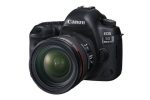
Choose a camera and lens that support discreet operation rather than maximum specification. A 35mm or 50mm view of the room, paired with a short telephoto for reactions across the room, usually offers more flexibility than a heavy kit. Set RAW capture, continuous autofocus, subject detection, and a custom shooting mode in advance. A camera preparation guide can help you check those controls without wasting time during the event.
Spare batteries, multiple formatted cards, and a small rain cover matter more than an extra lens at a long event. Keep the camera powered down between genuine shooting periods to save power and reduce attention. For a new kit, Australian retailers such as JB Hi-Fi and KJB Digital carry common bodies and lenses, while local hire suppliers can reduce the cost of carrying several focal lengths.
Find a position that belongs in the room
Position yourself where your presence already makes sense. A photographer standing alone at the edge of a dance floor is conspicuous; someone seated beside a guest table, near a doorway, or behind a decorative screen is less disruptive. Work from corners and use columns, plants, or other guests as partial cover, but never block an exit, aisle, server, presenter, or person receiving an award.
Angle the camera from the side rather than shooting straight into a group from the front. A slightly raised viewpoint can clear a crowd, while a lower angle preserves the intimacy of a conversation. Move slowly, pause to look at the wider room, and keep the lens pointed down when you are not composing. These pauses make you less of a focal point and let you observe where attention is gathering.
Australian venues create particular opportunities. A waterfront reception in Sydney may combine bright glass walls with a darker terrace, while a Melbourne laneway venue can funnel guests through a narrow corridor. At an outdoor club function, position yourself where guests naturally pause for air. In December and January, shade and an early position away from direct sun are more comfortable and give you better control over contrast.
Use available light without announcing yourself
Available light is the foundation of an unobtrusive approach. Turn off or disable the flash, especially when it would bounce from ceilings or walls and pull every eye towards you. Expose so highlights sit just below clipping, lift shadows in post-processing, and accept some grain when necessary. Modern cameras handle indoor ISO values well, and a slightly darker histogram protects skin tones and highlights.
A practical starting point is aperture priority around f/2.8 to f/4, Auto ISO, and a shutter speed fast enough for small gestures. The event camera settings guide provides a useful baseline, though each room needs adjustment. Test electronic or silent shutter modes before relying on them, since fast movement may show distortion and some LED fixtures can produce banding.
Watch how the light changes with people. A window can expose faces beautifully when you place yourself between the glass and the subject; after sunset, the same direction may silhouette them. Turn on a spare LED if the brief allows it, but keep it diffused and below eye level. During speeches, remain seated and make only small adjustments so movement on the stage becomes the subject.
Read gestures and build sequences
The best unpredictable moments often have predictable causes. A speaker pauses before a reveal, a cake enters the room, prizes are announced, or a guest looks towards a person who has just said something notable. Learn the running order, place yourself near likely action without dominating it, and pre-focus on the area where the next reaction will happen. This turns luck into timing without turning people into actors.
Build a sequence instead of hunting for one supposedly perfect frame. Take a wide frame that establishes the room, a medium view that connects the people involved, and a close detail that carries the story. Between those, record natural reactions: the listener’s smile, the hand on a shoulder, a glance across a table. Details such as place cards, shared plates, and hands can provide breathing space without exposing anyone.
Silent shooting is useful, but continuous bursts can make a camera look like it is recording rather than observing. Use short bursts for fast movement, then lower the camera and wait. If someone asks what you are doing, answer plainly and show the frame on the rear screen if that feels appropriate. Transparency often reduces discomfort faster than pretending the camera is not there.
Respect Australian events and cultural boundaries
Australian events often reward a social approach. In a licensed pub, an RSL club, or a community hall, guests may move between booths, bar areas, and a crowded dance space. At a school function or suburban fundraiser with a sausage sizzle, food servers are working and children may be excited. Photograph across the room or from the side, seek permission before close work, and avoid making service staff the accidental subject.
Festivals create another set of local boundaries. Sydney Festival, Melbourne Fringe, and Adelaide Fringe may use ticketed areas, artist agreements, and separate media credentials. Stage rules matter: some performers forbid flash, and some productions restrict photography for copyright or safety reasons. Check with the event crew rather than assuming a badge or public walkway grants access. During awards and speeches, your attention should remain off the audience.
Sensitive situations deserve stricter restraint. At events involving Aboriginal communities, protocols should come from the host community or cultural custodian, not be guessed from general assumptions. Health areas, private rooms, changing areas, and religious ceremonies commonly require consent or exclusion. For children, use guardian and organiser guidance; images of minors can still be private and identifying. If a camera reveals more than intended, blur identifying information before sharing and honour agreed deletion requests.
A discreet workflow for every stage
Treat the assignment as a sequence of stages rather than a single long stretch of standing and aiming. The before phase covers access, light, equipment, and likely positions. The working phase depends on patience, brief movement, and careful attention to light. The after phase includes checking every image for technical faults and privacy concerns, then delivering or storing the results according to the organiser’s agreement.
A reliable field routine keeps your attention on people rather than on camera mechanics:
- Confirm access, restricted spaces, and the organiser’s expectations before guests arrive; identify the person who can answer questions during the event.
- Choose three workable positions around the main action and check each one for obstructions, backlight, sightlines, and safe movement.
- Prepare a silent, reliable shooting profile with RAW capture, autofocus tuned for people, and exposure limits suited to the venue.
- Keep the camera lower or partly covered between moments, and use deliberate frames instead of holding the shutter down.
- Carry spare batteries, cleared cards, weather protection, and a backup route for essential images when time or distance is limited.
- Pause when a person signals discomfort, a performance begins, or service activity needs clear space.
- Review files promptly for blur, exposure, consent issues, and accidental private information before delivery.
The quietest photographers are not invisible because they possess a secret camera; they are effective because their preparation removes friction. They know when to move, when to wait, and when a photograph would cross a boundary. When guests forget the equipment, their attention stays available for one another, and the resulting images carry the ease and warmth that carefully posed frames can miss.