Capturing mirror-like reflections in puddles after a rainstorm
The five minutes after a heavy downpour can feel like a private gallery opening if you carry a camera. Asphalt, footpaths and weathered concrete briefly turn into polished mirrors, bending buildings, neon signs and street trees into upside-down duplicates. Photographers across Sydney, Melbourne and Brisbane chase these transient canvases because the conditions rarely last longer than the time it takes for a delivery van to drive past. A few planning steps and a steady hand turn fleeting puddles into calm, almost surreal portraits of the city around you.
Working close to wet ground also raises practical questions about safety, gear care and local etiquette, particularly when you stop on a busy footpath in the Sydney CBD or crouch near traffic on a Melbourne laneway. Australian road rules treat pedestrians near moving vehicles with caution, and standing on a median strip to frame a reflection can quickly turn risky. With the right preparation, puddle hunting becomes a measured walk rather than a hurried scramble between raindrops.
Timing the downpour and reading the sky
Australian weather tends to deliver its rain in intense bursts rather than long, grey drizzles, which actually works in your favour. A summer storm over Brisbane's riverwalk leaves the concrete warm, the air heavy with moisture, and every dip in the footpath filled with a thin film of water. Within twenty minutes the breeze and rising temperature start pulling that moisture back into the sky, so timing matters. Watch the radar on the Bureau of Meteorology site, listen for distant thunder rolling across the suburbs, and have your bag packed before the first drops fall.
The hour after rain often gives the most honest reflections because the surface is still wet but the sky is opening up. Late afternoon light in coastal cities like Perth or Hobart arrives at a low angle, painting the underside of clouds in copper tones that bounce back up from the puddle. Early morning brings fewer cars and a stillness that lets the mirror effect breathe. Aim to be on location within ten minutes of the rain easing, and treat anything beyond forty minutes as a bonus rather than the main event.
Wind is your silent enemy in this kind of work. Even a light breeze across an exposed street in Adelaide will ruffle a puddle into a thousand tiny lenses and break the reflection into abstract streaks. Sheltered laneways behind tall buildings, the lee side of a bus shelter, or the protected corners of an arcade hold their flat surfaces longer. Learning to read which side of a street stays calm while the other chops up is a small skill that pays off every shoot.
Camera settings and gear that holds up
Puddle work is unhurried once the storm passes, so a tripod is rarely needed unless you plan long exposures at dusk. A camera body with weather sealing handles the occasional splash from a passing car, and a lens hood keeps stray drizzle off the front element. Many Australian photographers favour mid-range zooms in the 24-70mm range for street puddle work because the focal length stays flexible without forcing you to swap glass in damp air. A circular polariser helps too, since rotating it can suppress glare from the wet surface and let the reflection underneath come through more cleanly.
Set your aperture between f/8 and f/11 for a generous depth of field that holds both the puddle's edge and the reflected subject sharp. A low ISO of 100 or 200 keeps the image clean, especially when the surface picks up fine detail from shopfronts or signage. Shutter speed depends on movement: a stationary puddle and a still subject allow 1/125s or longer, while a passing tram in Melbourne or a cyclist weaving through Brisbane's bike lanes will demand 1/500s or faster. Meter for the bright sky reflected in the puddle, then add a touch of exposure compensation if the reflected subject sits in shadow.
Bring a microfibre cloth in an outer pocket rather than buried in the bag. Wiping the front element between shots sounds tedious but saves hours of editing later, because every drop that lands on the glass leaves a soft halo around highlights. A small rocket blower clears dust from the sensor after a session near dusty gutters. If you want a quick walk-through of how exposure and angle interact on close subjects, the practical food photography tutorial on Sensorgraphy covers similar ideas about working close to a subject with controlled light.
Finding reflective puddles in Australian streets
Start with the surfaces you walk past every day. Newly laid asphalt in suburban Sydney tends to pool water in shallow, even sheets, while older bluestone gutters in inner Melbourne hold water in pockets between stones that frame miniature landscapes. Smooth concrete slabs at tram stops, polished granite entrances to office lobbies, and even the wide metal grates over street trees all reflect well after a wash. Look for puddles that pool without too much leaf litter, as floating leaves break the mirror into a thousand pieces.
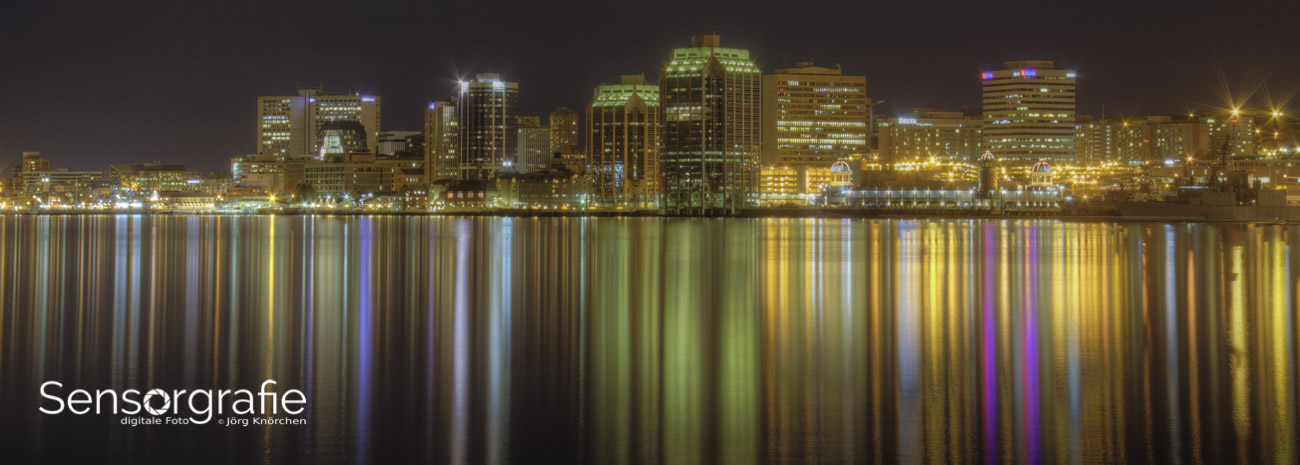
Brisbane's riverside walkways flood with reflections of jacaranda trees and skyscrapers after a summer storm, and the wooden decks of the boardwalks throw back soft, blurred duplicates of pedestrians. In Perth, the white sand and light concrete around Cottesloe and City Beach act as giant reflectors once wet, bouncing soft light back into the lower half of the frame. Even regional towns benefit: a small puddle outside a country pub in regional New South Wales can hold the entire pub verandah if you crouch low enough. Carry a small towel to kneel on when the ground is soaked, and watch your footing on the slippery edges of polished stone.
Be mindful of local rules and common sense. Australian traffic authorities require pedestrians to use crossings and not loiter on busy roads, and shooting from a median strip while traffic moves around you can attract unwanted attention or even a fine under state road rules. Stay on the kerb, use a footpath, and keep one ear free of headphones so you hear approaching vehicles. Photographing on private property, including the apron of a service station, requires permission from the owner, and shopkeepers in suburban strips will appreciate a quick word before you point a lens at their window display.
Composition, angle and perspective
The angle of the camera decides whether the puddle becomes a mirror or a muddy mess. Hold the camera as close to the surface as the lens allows, ideally with the front element just a few centimetres above the water. This low position lines up the reflected subject with the real one above, and the puddle fills the lower half of the frame with a clean copy. A simple right-angle viewfinder or the flip screen on most modern mirrorless bodies lets you compose without lying flat on wet concrete, which is kinder to knees and jackets.
Frame the horizon along the upper third of the image so the reflection occupies the rest. Leading lines from a wet gutter, a row of tactile paving studs in a train station, or the painted lines of a pedestrian crossing pull the eye into the scene. Look for inclusions that add narrative: a lone cyclist, a single red post box in a Brisbane suburb, or the green pedestrian light glowing over a wet crossing in central Hobart. Avoid centring the horizon unless the reflection and the real subject are equally weighted, such as a puddle sitting under a clear sky.
Lens choice shapes the mood more than any filter. A wide 16-35mm lens exaggerates the puddle and turns a small wet patch into a vast mirrored lake, which suits wide streetscapes in Adelaide's boulevard-style avenues. A 50mm or 85mm lens compresses the scene and treats the reflection as a quiet detail rather than a stage. If you want a refresher on choosing focal lengths for everyday scenes, the concise guide to essential camera techniques on the same site walks through the trade-offs between wide and normal lenses in plain language.
Editing and polishing the final frame
Post-processing for puddle shots starts with straightening the reflected verticals so the buildings appear upright rather than tipping over. Lens correction profiles built into Lightroom, Capture One or the open-source RawTherapee handle most distortion from wide lenses used close to the ground. Crop in slightly if the puddle's edge cuts a hard line across the frame, and use the healing brush to remove the smallest leaves or bubbles that distract the eye.
Pull the highlights down gently to recover the bright sky reflected in the water, then lift the shadows to bring back detail in the darker half of the scene. A touch of dehaze can sharpen the reflection without flattening the contrast, while a subtle clarity adjustment adds bite to the wet surface texture. Be careful not to over-saturate the puddle, because neon signs and shopfronts reflected in water already carry strong hues that quickly turn garish when pushed.
Convert to black and white if the reflection is the strongest element and the colour story is muddy. A monochrome treatment turns a colourful but messy puddle outside a fish and chip shop in Geelong into a quiet study of light, line, and texture. Finish with a light vignette to direct attention toward the centre of the mirror, and export at a size that suits your intended use, whether that is a print for a local gallery wall in Fremantle or a quick post for a photography forum.
Practical recommendations for cleaner puddle reflections
- Pack a microfibre cloth in an outer pocket and wipe the front element every few shots.
- Scout sheltered laneways and the lee side of buildings where wind cannot chop the water.
- Carry a small plastic bag to kneel on when the concrete has not drained.
- Watch the radar on the Bureau of Meteorology and be on location within ten minutes of the rain easing.
- Use a polariser set just enough to suppress glare without killing the reflection.
- Print one frame after editing and pin it to the wall as a reminder of how short the window really is.