The Best Budget Macro Lenses for Crop Sensor Cameras
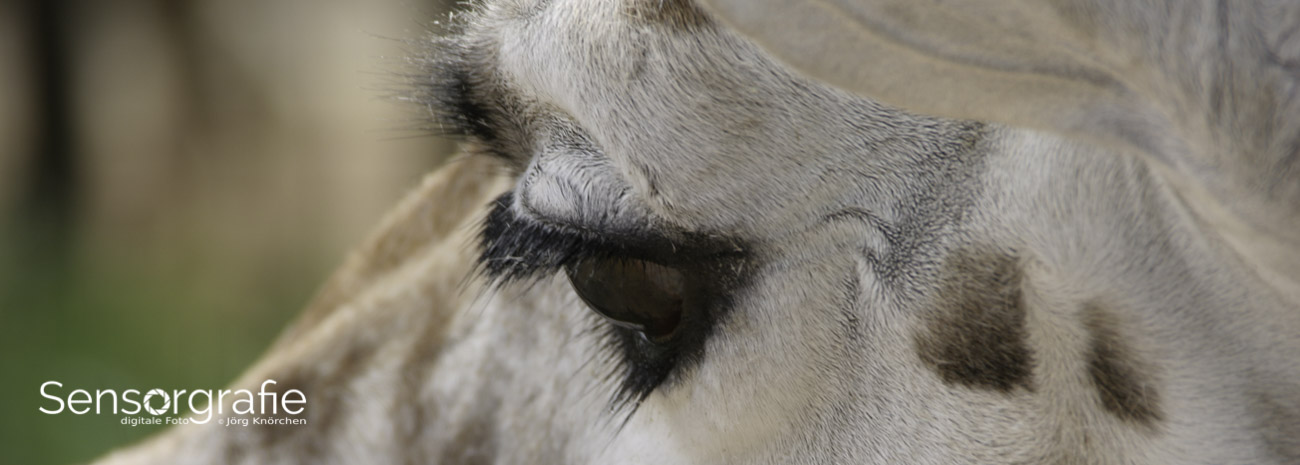
Macro photography can turn familiar subjects into entirely new landscapes. The texture of a gum leaf, the compound eye of a fly and the delicate structure of a flower all become compelling when recorded at close range. A crop sensor camera is especially useful here because its smaller imaging area gives a lens a narrower field of view, making small subjects appear larger in the frame. Learn more about How To Photograph The 2.
A dedicated macro lens should offer a reproduction ratio of at least 1:1, meaning the subject is recorded at life size on the camera sensor. Focusing distance, working distance, autofocus, image stabilisation and handling matter just as much as sharpness. A cheap lens that forces you to work almost against the subject may be less useful than a slightly more expensive model with a comfortable shooting distance.
Prices vary considerably in Australia because of GST, retailer discounts, imported stock and second-hand availability. A lens that looks inexpensive from an overseas shop may attract delivery costs, currency conversion fees or warranty complications. The selections below focus on practical value for Canon, Nikon, Sony, Fujifilm and other crop-format users, with options for insects, flowers, products and everyday close-up work.
What Makes A Budget Macro Lens Worth Buying
The most important specification is magnification. A true 1:1 macro lens can fill the frame with a subject roughly the same size as the camera sensor, while lenses described as “macro” may offer only 1:2 or a modest close-focusing capability. The latter can still be enjoyable for flowers and small objects, but it will not provide the same reach for insects or fine detail.
Focal length determines working distance. A 30mm or 35mm macro lens is compact and affordable, but you need to move close to the subject for maximum magnification. A 60mm lens gives more breathing room and is often a stronger all-round choice. Lenses around 90mm or 100mm are more comfortable for skittish insects, although they are generally larger and costlier.
Autofocus is useful for ordinary photography, but manual focus remains common in macro work. At high magnification, photographers often move the camera slightly forwards and backwards until the critical detail is sharp. A focus limiter, quiet motor and internal focusing design can improve handling, while a smooth manual focus ring is valuable for deliberate compositions.
Before purchasing, check whether the lens is designed for your particular mount. Canon EF-S, Nikon F DX, Sony E, Fujifilm X and Micro Four Thirds versions are not interchangeable without the appropriate adapter, and adapters can reduce electronic communication. Camera shops in Sydney, Melbourne and Brisbane often carry used lenses that are no longer stocked new, so local browsing can reveal better value than relying solely on online price comparisons.
The Best Affordable Native-Mount Choices
For Canon APS-C DSLR owners, the Canon EF-S 35mm f/2.8 Macro IS STM is one of the most practical choices. It provides 1:1 magnification, a compact body, image stabilisation and a built-in LED Macro Lite around the front element. That light is helpful for insects in shade, product photos and close-ups made indoors. Its short working distance is the main limitation, particularly with nervous insects, but it is an excellent everyday lens for small subjects.
The Nikon AF-S DX Micro-Nikkor 40mm f/2.8G is a similarly sensible option for Nikon DX cameras. It reaches 1:1, is relatively light and delivers very good sharpness for flowers, food, crafts and copy work. Its working distance is short, and autofocus can hunt when moving from a distant subject to close range, but the lens is often attractively priced on the Australian second-hand market.
Sony users can consider the Sony E 30mm f/3.5 Macro. It is small, light and optically sharp, with 1:1 reproduction and a useful minimum focus distance. The short distance between the front of the lens and the subject makes it less suitable for easily startled insects, but it is convenient for tabletop photography and travel. It also keeps a small mirrorless camera balanced, which matters when carrying equipment through a botanic garden or along a coastal walking track.
Fujifilm’s XF 30mm f/2.8 R LM WR Macro costs more than some older budget options, but it offers a strong mix of performance and practicality. It reaches 1:1, focuses quietly, has weather resistance and works well as a normal short standard lens. For photographers using an X-T, X-S or X-H body, it can replace the need for a separate close-up lens. The newer design means used bargains are less common, yet its versatility can justify the extra Australian retail price.
Longer Working Distance And Manual-Focus Bargains
The Laowa 65mm f/2.8 2x Ultra Macro APO is a standout for photographers who want extreme magnification on APS-C mirrorless cameras. Its 2:1 ratio records subjects at twice life size, opening up possibilities with tiny beetles, grains of sand, circuitry and intricate plant structures. It is manual focus only, but the long focus throw makes precise adjustment manageable. The lens lacks electronic aperture control on some mounts, so users should check compatibility before ordering.
A cheaper alternative is the 7Artisans 60mm f/2.8 Macro II, available for several crop-sensor mounts. It offers high magnification, a useful working distance and a fully manual design. Optical performance is generally strong in the centre, though corners may soften at wider apertures and sample variation is possible. It suits photographers who enjoy a slow, controlled approach rather than those expecting the seamless autofocus of a first-party lens.
The TTArtisan 40mm f/2.8 Macro is another low-cost 1:1 option for Sony E, Fujifilm X, Nikon Z and other mirrorless mounts. It is compact and delivers pleasing detail for flowers, objects and still subjects. Its close focusing distance requires care with lighting because the lens can cast a shadow over the subject. Manual aperture and focus are not disadvantages for deliberate macro work, but they make the lens less convenient for spontaneous shooting.
Longer lenses are generally easier to use around Australian wildlife. A 60mm or 65mm lens lets you keep some distance from a huntsman spider, native bee or small lizard, while a 30mm lens may put the front element uncomfortably close. Even so, wildlife should be approached responsibly, and photographers should avoid disturbing animals, damaging habitat or collecting insects for a photograph.
Image Quality, Light And Background Control
Macro lenses are usually sharpest around f/5.6 to f/8, but stopping down too far introduces diffraction, particularly on high-resolution APS-C sensors. At 1:1 magnification, depth of field can be only a few millimetres or less. A wide aperture may render an eye sharp while the rest of an insect disappears into blur, whereas a smaller aperture gives more detail but demands additional light or a slower shutter speed.
Natural light can work beautifully, particularly during the soft conditions of early morning. In much of Australia, bright midday sun creates hard highlights and deep shadows, so a small diffuser, reflector or piece of translucent fabric can make a considerable difference. A compact flash with a diffuser is also useful, especially in rainforest areas around Queensland or under dense foliage in Melbourne’s gardens.
Background rendering remains important even in close-up photography. A macro lens with a wide maximum aperture can produce smooth out-of-focus areas, but the appearance of those areas depends on distance, contrast and the shape of the aperture blades. The explanation of bokeh and blur is useful when deciding why two lenses with similar aperture settings can produce different backgrounds.
Image stabilisation helps with stationary subjects, but it cannot freeze a moving insect or a flower shaking in a coastal breeze. A fast shutter speed, flash or higher ISO may be more effective. Focus stacking can extend depth of field for still objects, though it requires a tripod or careful camera movement and software capable of aligning and blending multiple exposures.
Buying Used And Managing Australian Costs
Used macro lenses often represent the best value, particularly older Canon, Nikon and Sony models. Look for scratches on the front and rear elements, haze, fungus, oily aperture blades, loose focus rings and damaged filter threads. A small amount of external wear is harmless, but fungus inside the lens can spread and may be expensive to clean. Test autofocus, aperture control and image stabilisation before completing a purchase.
Australian pricing can be affected by the Goods and Services Tax and by the difference between an authorised retailer and a grey importer. Under the Australian Consumer Law, products sold by Australian businesses generally come with consumer guarantees, but an overseas purchase may require the buyer to deal directly with the foreign seller. A local warranty can be worth paying for when the price gap is modest, especially with electronically controlled autofocus lenses.
Online marketplaces can provide excellent bargains, but inspect the seller’s history and request clear photographs of the glass and mount. Camera stores in Sydney and Melbourne frequently offer short used-equipment warranties, while regional buyers may need to rely on postage and return policies. Factor in GST, delivery, insurance and possible return freight rather than comparing the headline lens price alone.
Third-party manual lenses are usually the lowest-cost route, while native autofocus models offer better convenience and resale value. For a first macro lens, a clean used 40mm to 65mm model is often a safer purchase than an obscure lens with impressive specifications but limited support. Compatibility with your camera’s electronic shutter, focus peaking and aperture display should be confirmed before buying.
Choosing The Right Lens For Your Subjects
For flowers, food, jewellery and household objects, a 30mm to 40mm macro lens is inexpensive, compact and easy to carry. The short working distance is less troublesome when the subject is stationary. Canon’s 35mm, Nikon’s 40mm and Sony’s 30mm options are particularly attractive to photographers who want one lens for close-ups and ordinary everyday images.
A 60mm to 65mm lens is the better compromise for insects and outdoor details. It provides more space for lighting and reduces the likelihood of frightening a subject. The 7Artisans and Laowa designs appeal to manual-focus users, while a longer native lens may be preferable for photographers who value autofocus and camera-controlled aperture.
The best budget macro lens for crop sensor cameras is therefore not automatically the cheapest or the sharpest. A Canon DSLR owner may gain the most from the built-in light of the EF-S 35mm, while a Fujifilm photographer may prefer the weather-resistant XF 30mm. A Sony or Nikon user who enjoys manual control can save money with a third-party 40mm or 60mm lens, provided the handling suits the intended work.
Good macro photography also depends on support, patience and observation. A beanbag, small tripod, diffuser and spare batteries may improve results more than moving from one inexpensive lens to another. Sensorgraphy’s wider photography resources provide a useful reference point for photographers comparing equipment, editing techniques and practical digital imaging workflows.