Camera Sensor Sizes And What They Mean For Photographers
Choosing between full frame, APS-C, and Micro Four Thirds affects much more than the specifications printed on a camera box. Sensor dimensions influence lens selection, image noise, depth of field, dynamic range, camera size, and the amount of reach available for distant subjects. They also shape the cost and weight of an entire photographic system.
The best format is therefore not automatically the one with the largest sensor. A travel photographer may value a compact body and telephoto lens more than maximum background blur, while a studio portrait photographer may prioritize tonal flexibility and control over perspective. Understanding the practical differences makes it easier to choose equipment based on the work you actually do.
Sensor size is also only one part of image quality. Lens design, autofocus performance, stabilization, exposure technique, lighting, and editing all matter. Still, the sensor establishes important boundaries, particularly when photographing in low light, enlarging files, or trying to isolate a subject from its surroundings.
The Sensor Area Behind The Image
A camera sensor converts light into an electronic image. Its physical area determines how much light can be collected across the imaging surface during a given exposure. A larger sensor does not automatically make every photograph better, but it can provide advantages when the photographer needs cleaner shadows, higher resolution, or a shallower depth of field.
Full-frame sensors are based on the 35mm film frame, measuring approximately 36 × 24mm. APS-C sensors are smaller, usually around 23.5 × 15.6mm, although dimensions vary slightly between manufacturers. Micro Four Thirds sensors measure approximately 17.3 × 13mm and use a 4:3 aspect ratio rather than the 3:2 ratio common to full frame and APS-C.
The terms “crop factor” and “field of view” describe how these formats compare with full frame. A 25mm lens on Micro Four Thirds produces a field of view similar to a 50mm lens on full frame. A 35mm lens on APS-C behaves approximately like a 52mm lens on a 1.5x system. The actual focal length does not change; the smaller sensor simply records a narrower portion of the projected image.
Full Frame For Low Light And Subject Separation
Full frame remains popular among professionals because it offers a broad balance of resolution, noise control, and lens availability. With the same composition and aperture, a larger sensor can produce a shallower apparent depth of field than a smaller format. That makes it attractive for portraits, weddings, editorial work, and cinematic-looking video.
The advantage is especially visible when photographing with wide apertures. An 85mm f/1.8 lens on full frame gives strong subject isolation while retaining a familiar portrait perspective. To create a similar framing and blur effect on APS-C or Micro Four Thirds, a photographer may need a shorter lens with a wider aperture, which is not always available or affordable.
Large sensors can also be helpful when photographs need to withstand substantial cropping or large-format printing. Modern APS-C and Micro Four Thirds cameras can produce excellent files, but full frame often provides more flexibility when recovering shadow detail or preserving fine textures at high ISO settings. The difference varies by generation, pixel count, and processing engine rather than following a fixed rule.
Portrait photographers should remember that sensor format does not replace good lighting or careful retouching. A well-exposed image from a smaller sensor can look more natural than a poorly lit full-frame file. For practical editing ideas, this guide to portrait skin smoothing explains how to preserve texture instead of creating an artificial finish.
APS-C As A Flexible Middle Ground
APS-C occupies a useful position between full frame and Micro Four Thirds. Bodies and lenses are often smaller and less expensive than their full-frame equivalents, while the sensor remains large enough for strong image quality in demanding conditions. For many enthusiasts, it delivers a particularly sensible balance of portability, performance, and system variety.
The crop factor can be helpful for wildlife, sports, and outdoor photography. A 300mm lens on a typical 1.5x APS-C camera frames a subject similarly to a 450mm lens on full frame, without requiring a physically longer lens. This does not create extra optical detail, but it places the subject larger within the captured frame when the photographer is standing at the same distance.
APS-C cameras can also be excellent for travel and documentary photography. A compact 23mm or 27mm prime lens provides a natural everyday field of view, while a moderate telephoto remains manageable in a small shoulder bag. The format offers enough depth-of-field control for portraits without making focusing at wide apertures quite as unforgiving as it can be on full frame.
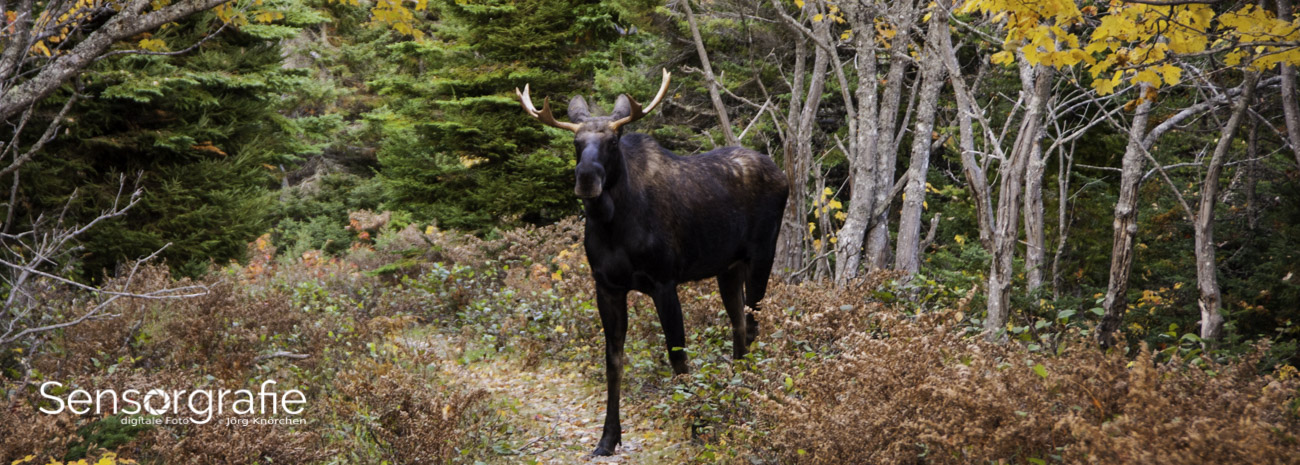
For photographers working in national parks, the combination of reach and manageable equipment is often valuable. Careful technique remains essential, and practical field advice such as these wildlife photography practices can matter as much as the sensor format when working around unpredictable subjects.
Micro Four Thirds And Portable Reach
Micro Four Thirds is built around a compact sensor and an interchangeable-lens system shared by several manufacturers. Its 2x crop factor makes long lenses particularly useful for wildlife, bird photography, aviation, and sports. A 100–400mm lens provides a field of view comparable to 200–800mm on full frame, although the actual exposure and depth-of-field characteristics remain those of the Micro Four Thirds lens.
The smaller format permits lightweight camera bodies and lenses. This can make a significant difference when hiking, traveling, or carrying equipment for an entire day. Image stabilization is also widely available, and many Micro Four Thirds cameras offer sophisticated autofocus, high-speed bursts, and strong video features.
The principal compromises involve high-ISO performance and background separation. A Micro Four Thirds image can be very clean at low and moderate ISO settings, but full frame generally has an advantage when both sensors use similar technology and the images are viewed at the same output size. Achieving strong subject isolation may require a faster lens or a longer focal length.
That trade-off is not necessarily a weakness. More depth of field can be useful for macro photography, environmental portraits, street scenes, and documentary work. A photographer who wants a flower, an instrument, or a moving animal to remain sharp may appreciate the format’s ability to keep more of the subject within the focus zone.
| Characteristic |
Full Frame |
APS-C |
Micro Four Thirds |
| Approximate sensor size |
36 × 24mm |
23.5 × 15.6mm |
17.3 × 13mm |
| Typical crop factor |
1x |
1.5x or 1.6x |
2x |
| Relative low-light potential |
Highest in comparable designs |
Strong |
Good, with more variation at high ISO |
| Background separation |
Easiest to achieve |
Moderate to strong |
More difficult at equivalent framing |
| Telephoto reach at the same lens focal length |
Lowest apparent reach |
Increased |
Highest apparent reach |
| System portability |
Usually largest |
Moderate |
Usually smallest |
| Common strengths |
Portraits, events, landscape, commercial work |
Travel, general use, wildlife, sports |
Hiking, macro, wildlife, video, compact kits |
Exposure And Depth Of Field In Practice
Sensor size does not change the basic exposure relationship between shutter speed, aperture, and ISO. If a lens is set to f/4, it transmits the same amount of light per unit area regardless of the camera behind it. The smaller sensor records that light over a smaller imaging area, however, so comparisons become more meaningful when the final images are viewed at the same size.
For equivalent framing and similar composition, a smaller sensor usually requires a shorter focal length or a greater working distance. This increases depth of field. To approximate the full-frame look of f/2.8, a photographer might use roughly f/1.8 on APS-C or f/1.4 on Micro Four Thirds, depending on the desired framing and comparison method. These are visual equivalences, not changes to the lens’s actual aperture setting.
Pixel count adds another layer. A high-resolution APS-C sensor may capture more detail than an older, lower-resolution full-frame sensor in some situations. Lens sharpness, diffraction, autofocus accuracy, stabilization, and atmospheric conditions can easily overshadow format differences. Comparing cameras from the same period and judging images at the intended output size is more useful than relying on sensor labels alone.
Dynamic range is similarly dependent on sensor design and generation. Larger photosites can sometimes offer an advantage, but noise behavior is determined by the complete sensor and processing pipeline. Raw files, in-camera noise reduction, and editing software also influence the final result.
Matching A Format To Your Photographic Work
A full-frame system makes sense when shallow depth of field, high-ISO flexibility, and extensive lens choices are central to the work. Wedding photographers working in dim venues, portrait specialists using wide-aperture primes, and landscape photographers making large prints may all benefit from its characteristics. The increased cost and weight should be judged against those specific advantages.
APS-C is a strong choice for photographers who want a versatile general-purpose system. It supports compact primes, affordable telephoto lenses, and capable bodies for travel, family photography, wildlife, and everyday assignments. It is also an attractive entry point for photographers who may later decide whether full frame offers meaningful benefits for their style.
Micro Four Thirds suits photographers who value mobility and effective reach. Bird photographers, hikers, macro specialists, and video creators can assemble highly capable kits without carrying the size and weight associated with larger formats. The format is particularly compelling when a camera is more likely to be used because it is easy to bring along.
Before buying, consider the complete kit rather than the body alone. A small sensor with a carefully chosen lens may serve you better than a larger sensor paired with heavy or expensive optics that stay at home. Ergonomics, battery life, weather sealing, viewfinder quality, stabilization, and autofocus behavior all deserve attention.
Practical Priorities Before You Buy
Comparing sensor sizes is most useful when translated into the conditions in which you photograph. A studio portrait session, a long trek through changing weather, and a fast-moving sports event place very different demands on a camera. Define those demands first, then assess which format handles them with the fewest compromises.
A sensible shortlist should account for the lenses you can realistically afford and carry. The theoretical benefits of a format matter less if the available focal lengths do not suit your subjects. Renting or borrowing a complete camera-and-lens combination can reveal more than reading isolated specifications.
Use these priorities when evaluating a new system:
- Choose full frame when low-light performance, high-resolution output, and pronounced background blur are frequent requirements.
- Choose APS-C when you want a broad balance of reach, portability, price, and image quality.
- Choose Micro Four Thirds when low weight, stabilization, and compact telephoto lenses are central to your photography.
- Compare equivalent lenses and complete kit weight, rather than comparing camera bodies alone.
- Examine raw files from the cameras you are considering under realistic lighting and editing conditions.
Sensor size is a creative and practical decision, not a ranking system. A smaller sensor may encourage closer working distances, deeper focus, and lighter travel, while a larger sensor may provide more control over blur and difficult light. The right choice is the one that supports your subjects and keeps you willing to photograph.
Explore the cameras, lenses, editing techniques, and field practices that fit your own photographic goals through the resources on Sensorgraphy.net. With a clear understanding of format trade-offs, you can invest in equipment for the images you want to make rather than for specifications that may never affect your work.