Understanding Focal Length: What It Means for Your Composition
Focal length is one of the most influential specifications on a camera lens, yet its effect is often reduced to a simple label such as wide-angle, standard, or telephoto. In practice, the number in millimeters shapes how much of a scene fits into the frame, how large subjects appear relative to one another, and how much space surrounds the main subject.
Learning to read focal length as a compositional tool changes the way you choose lenses. A 24mm lens can make a room feel expansive, while an 85mm lens can isolate a face against a quiet background. Neither is automatically better. Each creates a different visual relationship between the photographer, the subject, and the surrounding environment.
The same focal length can also feel different depending on the camera sensor, your shooting distance, and the intended image. Photographers who understand these variables can make deliberate choices instead of switching lenses by habit. The broader Sensorgraphy photography resources offer useful context for photographers exploring equipment, digital imaging, and creative technique.
How Focal Length Shapes The Frame
Focal length is the distance, measured in millimeters, between the optical center of a lens and the camera sensor when the lens is focused at infinity. That technical definition matters because it determines the lens’s angle of view. A shorter focal length shows more of the scene, while a longer focal length shows a narrower portion.
On a full-frame camera, lenses around 14–24mm are generally considered ultra-wide or wide-angle options. A 35mm lens gives a moderately wide view, 50mm is often described as standard, and lenses from roughly 85mm upward move into short telephoto and telephoto territory. These categories are useful, though they are not rigid rules.
A wide-angle lens can emphasize foreground elements and create a strong sense of depth. A telephoto lens can simplify a busy environment by excluding peripheral details. Standard focal lengths often provide a balanced appearance that feels natural for street photography, documentary work, and everyday scenes.
The important point is that focal length affects framing before you press the shutter. It influences whether a building dominates the frame, whether a person is surrounded by context, or whether a small detail becomes the entire subject.
Perspective Begins With Camera Position
Perspective is frequently described as a property of focal length, but the camera’s position is the decisive factor. If you photograph a person from the same spot with a 24mm lens and then crop the image captured with an 85mm lens, the relationship between the person’s nose, ears, and background remains essentially the same. The viewpoint has not changed.
The apparent difference in perspective occurs when you change your distance to maintain similar framing. With a wide lens, you may move close to a subject. With a telephoto lens, you may step farther away. Moving closer exaggerates the size difference between foreground and background objects, while moving farther away makes those relationships appear flatter.
This explains why wide-angle portraits can make a nearby nose look prominent and why telephoto portraits often appear more compressed. The lens determines how much of the scene you capture from a given position, but your position determines the geometry of the scene.
For composition, this distinction is valuable. Choose your camera distance to control perspective, then choose focal length to control framing. If you want a dramatic relationship between a foreground object and a distant subject, move closer and use a wider lens. If you want a restrained, layered appearance, step back and use a longer lens.
Sensor Size And Equivalent Focal Length
A lens’s stated focal length does not change when it is mounted on a camera with a different sensor. What changes is the portion of the projected image recorded by the sensor. A smaller sensor captures a narrower field of view, creating the familiar crop-factor effect.
A 35mm lens on an APS-C camera may provide a field of view similar to a 52mm or 56mm lens on a full-frame camera, depending on the manufacturer’s crop factor. On Micro Four Thirds, the same lens offers an approximate full-frame equivalent of 70mm. This comparison helps photographers predict composition across different systems.
Equivalent focal length describes field of view, not every aspect of the image. Depth of field and background blur also depend on aperture, subject distance, and the physical characteristics of the lens. A 50mm f/1.8 lens does not produce exactly the same rendering as a 100mm f/1.8 lens simply because their fields of view can be matched.
| Camera format |
Approximate crop factor |
24mm equivalent view |
50mm equivalent view |
85mm equivalent view |
| Full frame |
1.0x |
24mm |
50mm |
85mm |
| APS-C |
1.5x |
16mm |
33mm |
57mm |
| Canon APS-C |
1.6x |
15mm |
31mm |
53mm |
| Micro Four Thirds |
2.0x |
12mm |
25mm |
43mm |
Crop-factor calculations are straightforward: multiply the lens’s focal length by the sensor’s crop factor to estimate its full-frame field-of-view equivalent. This is especially useful when comparing camera systems, planning a lens purchase, or translating advice from photographers who use a different format.
Matching Focal Length To The Subject
Landscape photography often benefits from wide and ultra-wide lenses because they can include foreground texture, leading lines, and expansive skies. However, a very wide lens does not automatically make a landscape look larger. Without a strong foreground or clear structure, the scene may feel distant and empty. Moving closer to an interesting object can give the composition scale and depth.
For portraits, focal lengths between 50mm and 135mm are popular because they allow comfortable working distances and flattering proportions. A 50mm lens can include a person’s surroundings and suit environmental portraits. An 85mm or 105mm lens gives a tighter frame while retaining a natural appearance. Longer lenses can isolate details, but they require more distance and may reduce interaction with the subject.
Street photographers often choose 28mm, 35mm, or 50mm lenses according to how closely they want to work. A 28mm lens invites the viewer into the scene and supports layered compositions. A 35mm lens balances subject and context, while a 50mm lens creates a narrower, more selective view. The best choice depends on whether the image should feel immersive, observational, or detached.
Architecture and interiors reveal the strengths and limitations of wide-angle focal lengths. A 16mm or 20mm lens can fit an entire room into the frame, but it may stretch edges and make nearby objects appear disproportionately large. Careful camera leveling, thoughtful placement, and moderate wide-angle choices often produce more convincing results than simply using the widest lens available.
Compression, Layering, And Visual Emphasis
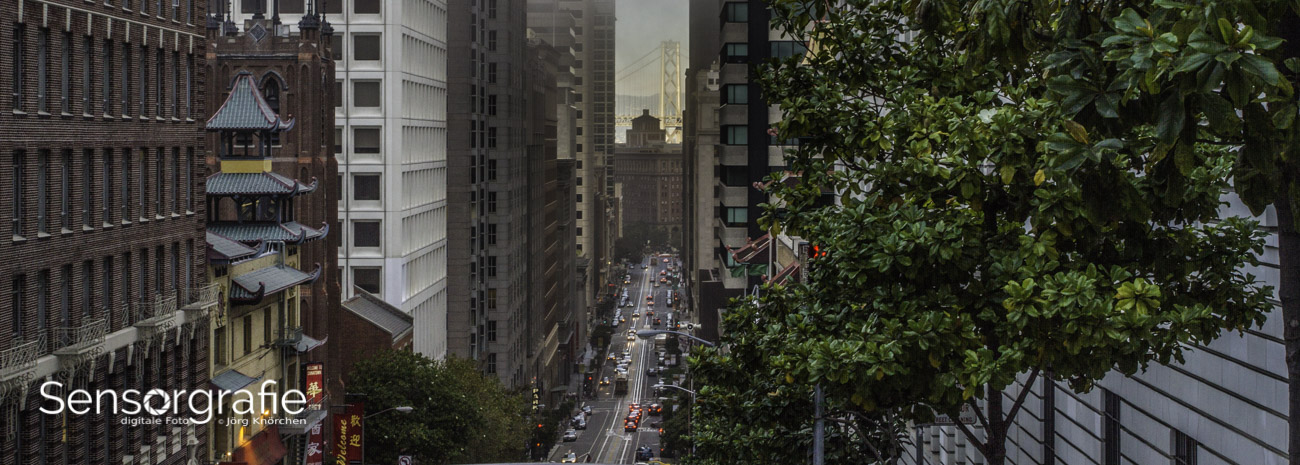
Telephoto lenses are powerful tools for simplifying a composition. Their narrow angle of view helps remove distracting edges, while the increased camera-to-subject distance can bring distant visual layers closer together. Hills, buildings, trees, and people may appear to occupy the same visual plane, creating graphic patterns or a compressed landscape.
This effect is especially useful when the background contains repeating forms. A row of windows, overlapping mountain ridges, or a crowd in a public square can become more visually connected when photographed at 135mm, 200mm, or beyond. The resulting image may feel calm and dense compared with the open, exaggerated depth of a wide-angle photograph.
Focal length also affects visual emphasis. A wide lens encourages the eye to explore the whole frame because more information is included. A longer lens directs attention toward a smaller area. This makes telephoto lenses useful for wildlife, sports, candid portraits, and architectural details that would lose impact within a broader view.
Zoom lenses demonstrate this principle particularly well. A 24–70mm zoom lets you compare expansive, contextual compositions with tighter, more selective ones from a similar position. A 70–200mm zoom extends that experiment into portrait compression, distant details, and layered scenes. Working slowly through a zoom range can teach you which focal lengths support your personal visual style.
A Practical Shooting Routine
Instead of choosing a lens only because a subject is labeled as landscape, portrait, or street photography, begin by identifying the relationship you want in the frame. Decide whether the environment should explain the subject, whether the subject should dominate, or whether multiple layers should merge into a pattern.
Then test focal length through a short sequence of deliberate changes:
- Photograph the same subject at 24mm, 35mm, 50mm, and 85mm when your lens range allows it.
- Keep the subject similarly sized in the frame, then compare how your changing position alters perspective.
- Look at the edges for distractions, stretched forms, empty space, or useful context.
- Review the background separately from the subject and note how its scale and density change.
- Record which focal lengths feel natural for your preferred subjects and working distance.
A useful exercise is to spend an entire outing with a single prime lens. Restricting your options encourages movement, improves awareness of camera position, and reveals how much of composition comes from physical distance rather than equipment. The exercise also helps distinguish a genuine need for another focal length from the impulse to carry more lenses.
Composition Continues In The Editing Process
Focal length decisions are made at capture, but editing can refine the visual result. Cropping can remove peripheral distractions, adjust the balance of negative space, or create a different aspect ratio. It cannot recreate information that was excluded from the frame, and it cannot fully reverse the perspective created by shooting from a particular distance.
Lens corrections can also influence composition. Software may reduce barrel distortion in wide-angle images, correct vignetting, or straighten converging lines. These adjustments can make an image look more natural, though aggressive corrections may reduce the usable edges of the frame. Leave enough margin when photographing architecture or scenes that will require geometric correction.
For photographers comparing editing applications, this Photoshop and Affinity review provides relevant perspective on workflow choices. The software matters less than the ability to evaluate an image critically: identify what the focal length achieved, determine what distracts from the subject, and make adjustments that preserve the original visual intention.
Use metadata during this review process. Most digital cameras store the focal length used for each image, making it easy to study patterns in a catalog. After a few months, you may discover that your strongest environmental portraits cluster around 35mm, your favorite details around 100mm, or your landscape work benefits from a narrower view than expected.
The most effective way to understand focal length is to connect numbers with visible results. Compare the angle of view, camera distance, background scale, edge distortion, and subject isolation in your own photographs. Then apply that knowledge intentionally: choose a wide lens when proximity and context matter, a standard lens for balanced storytelling, or a telephoto lens when selection and compression serve the image. Practice this process on your next shoot and let each focal-length choice support the composition you want to create.