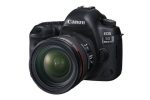
Prime vs zoom lenses: choosing the right tool
Choosing between a prime lens and a zoom lens affects far more than the focal length recorded in your camera bag. It changes how you move through a scene, how much light reaches the sensor, how you frame a subject, and how quickly you can respond to an unexpected moment. Both lens designs can produce excellent images, but they encourage different photographic habits.
A prime lens has one fixed focal length, such as 24mm, 35mm, 50mm, or 85mm. A zoom lens covers a range, such as 24–70mm or 70–200mm. That basic distinction influences composition, aperture design, portability, and cost, yet neither category is automatically better for every photographer or assignment.
The most useful choice depends on your subject, working distance, lighting conditions, travel plans, and tolerance for changing lenses. Understanding the strengths and compromises of each option makes it easier to select equipment that supports your way of seeing rather than simply adding another item to your kit.
How prime and zoom lenses differ
A prime lens uses a single focal length, so its optical design can be optimized around one angle of view. This often allows manufacturers to offer a wide maximum aperture in a relatively compact body. A 50mm f/1.8 or 35mm f/1.4, for example, can gather considerably more light than many general-purpose zooms set to the same focal length.
The fixed perspective also encourages deliberate composition. Instead of rotating a zoom ring, you may step forward, move backward, or change your relationship with the subject. That physical involvement can help photographers notice backgrounds, leading lines, and the visual effect of distance. It can also be restrictive when there is little room to move or when a subject changes position quickly.
A zoom lens provides several focal lengths without requiring a lens change. This is valuable when the scene changes rapidly, when access is limited, or when carrying a large collection of lenses is impractical. The trade-off may include a smaller maximum aperture, greater size, increased weight, or a higher price for a professional constant-aperture model.
Where prime lenses excel
The most obvious advantage of a prime is its potential for a wide aperture. In low light, an f/1.4 or f/1.8 lens can allow faster shutter speeds or lower ISO settings than an f/4 zoom. That benefit is especially useful for indoor portraits, documentary work, concerts, weddings, and evening street photography. A wide aperture can also create shallow depth of field, separating a subject from a distracting background.
Primes are often smaller and lighter than comparable zooms, though this is not universally true. Pancake lenses and compact 35mm or 50mm designs are easy to carry for hours, making them suitable for travel, everyday photography, and discreet candid work. A smaller setup can also make a camera feel less intimidating in social situations.
Image quality is another reason photographers choose fixed focal lengths. A well-designed prime may deliver strong sharpness, attractive rendering, controlled chromatic aberration, and smooth out-of-focus areas. Modern zooms can be remarkably sharp, so the difference is not always visible in ordinary images. The prime’s advantage frequently comes from its aperture, size, and rendering character rather than resolution alone.
A fixed lens can also improve consistency. Using the same focal length repeatedly helps you learn its field of view and anticipate how a subject will look before raising the camera. Portrait photographers may develop a strong understanding of how an 85mm lens compresses features, while street photographers may become highly fluent with a 28mm or 35mm perspective.
When zoom flexibility matters
Zoom lenses are particularly effective when speed and adaptability are more important than maximum aperture. At a wedding, a photographer may need a moderately wide view for a group, then a tighter frame for a candid expression a moment later. A 24–70mm lens can handle both without interrupting the scene or changing position.
The same advantage applies to travel, events, wildlife, sports, and photojournalism. You may be unable to approach a distant subject, or you may need to widen the frame when something enters the scene. A telephoto zoom such as a 70–200mm or 100–400mm lens allows you to adjust framing while maintaining a safe or practical distance.
Zooms can reduce the number of lenses in a bag. One versatile lens may cover the focal lengths you use most often, which can lower the risk of dust entering the camera during lens changes. It also makes it easier to respond to unpredictable situations. For photographers who value efficiency, a high-quality zoom can be the most frequently used item in the kit.
There are compromises. A zoom with a constant f/2.8 aperture can be large, heavy, and expensive, while a compact variable-aperture zoom may become slower as it is zoomed toward the telephoto end. Optical stabilization can offset some of the low-light disadvantage for static subjects, but it cannot prevent blur from a moving person or animal.
| Factor |
Prime lens |
Zoom lens |
| Focal length |
Fixed perspective |
Adjustable range |
| Maximum aperture |
Often wider |
Frequently smaller, though premium models can be bright |
| Low-light performance |
Strong potential for faster shutter speeds |
Depends heavily on the model and stabilization |
| Depth of field |
Easier to achieve shallow focus |
Still possible, especially with telephoto zooms |
| Portability |
Often compact, but fast primes can be large |
Usually more complex and heavier |
| Composition |
Encourages movement and deliberate framing |
Enables rapid reframing from one position |
| Subject coverage |
Best for a defined visual role |
Useful for changing subjects and distances |
| Lens changes |
May be required more often |
Less frequent |
| Typical strengths |
Portraits, street work, low light, creative consistency |
Events, travel, wildlife, sports, documentary work |
Matching lens type to photographic genres
Portrait photographers often use primes such as 50mm, 85mm, or 135mm because wide apertures can isolate the subject and produce an appealing background blur. An 85mm lens also gives a comfortable working distance for head-and-shoulder portraits. However, a 70–200mm zoom can be more practical at a wedding or fashion event, where framing needs to change rapidly and the photographer cannot always move freely.
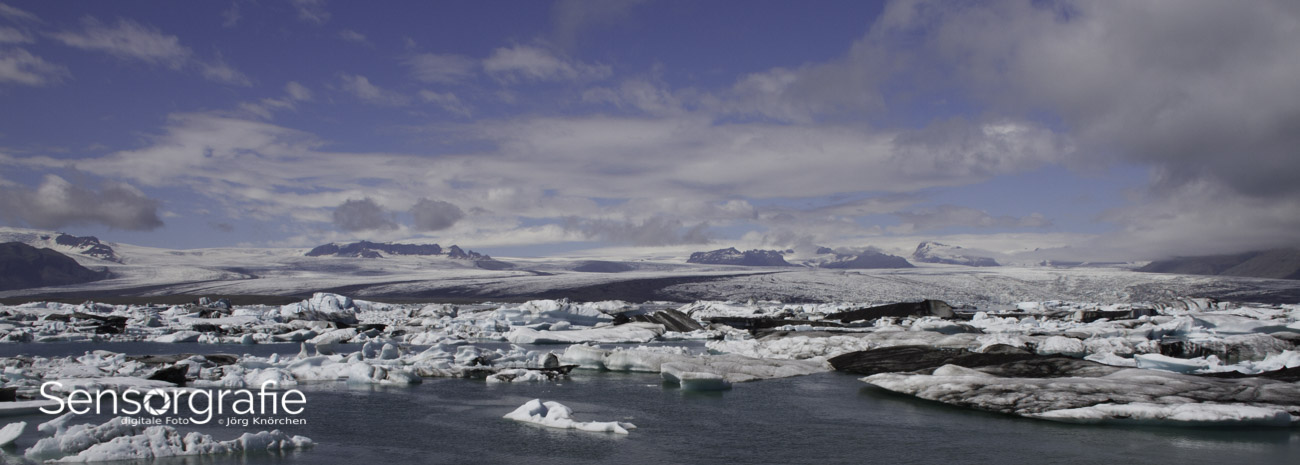
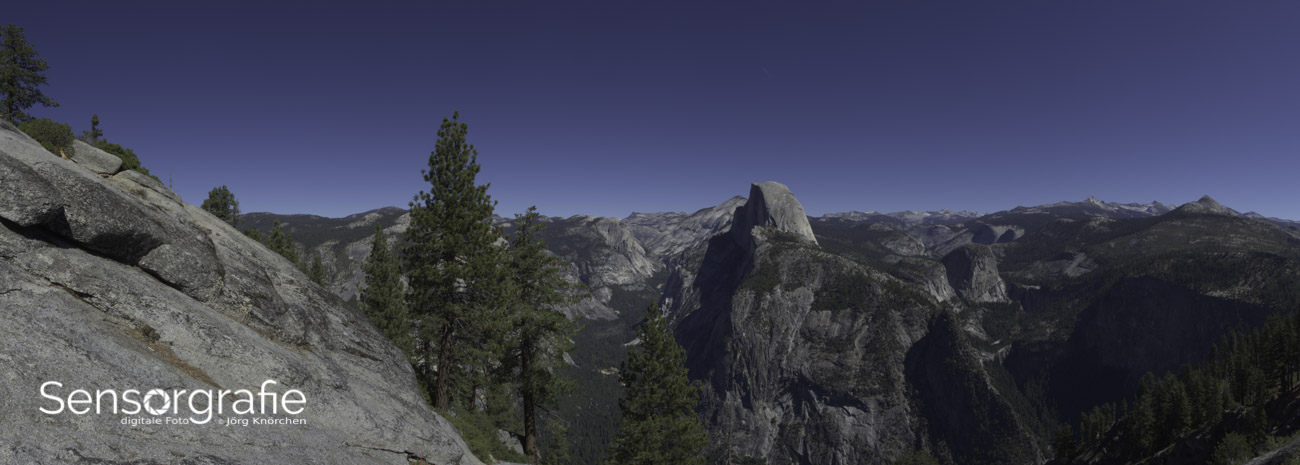
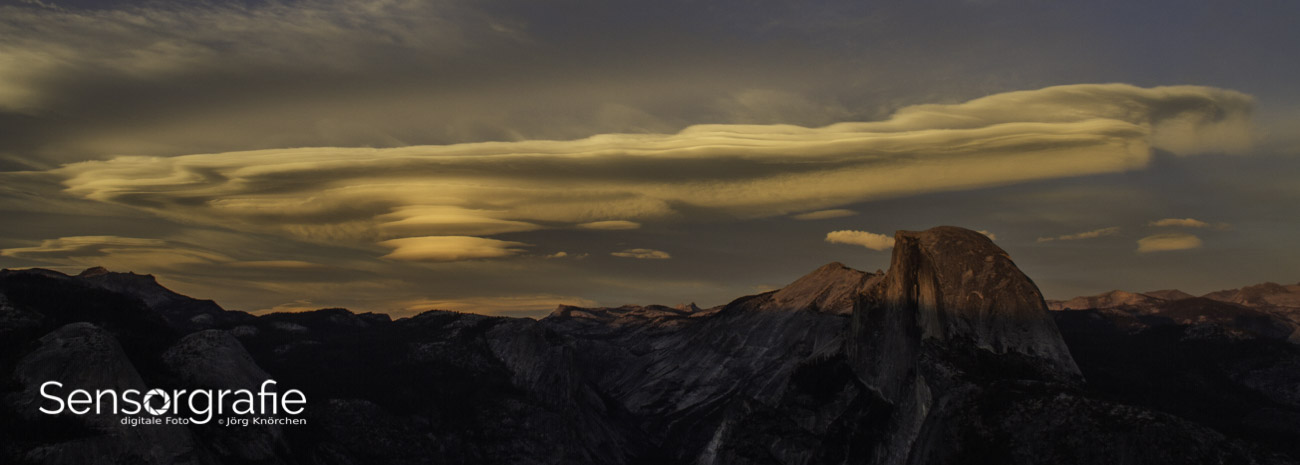
For landscapes, the decision is less predictable. A wide-angle zoom lets you refine the composition precisely from a fixed viewpoint, which is useful when the terrain or foreground makes movement difficult. A wide prime may be lighter, brighter, and exceptionally sharp, making it attractive for night landscapes and astrophotography. In either case, the best focal length is the one that suits the relationship between foreground, middle ground, and distant elements.
Street photographers frequently favor compact primes because they are unobtrusive and encourage close engagement with the environment. A 28mm or 35mm lens can capture context while remaining natural for everyday scenes. A zoom offers greater discretion when photographing from a distance, although its size may draw more attention.
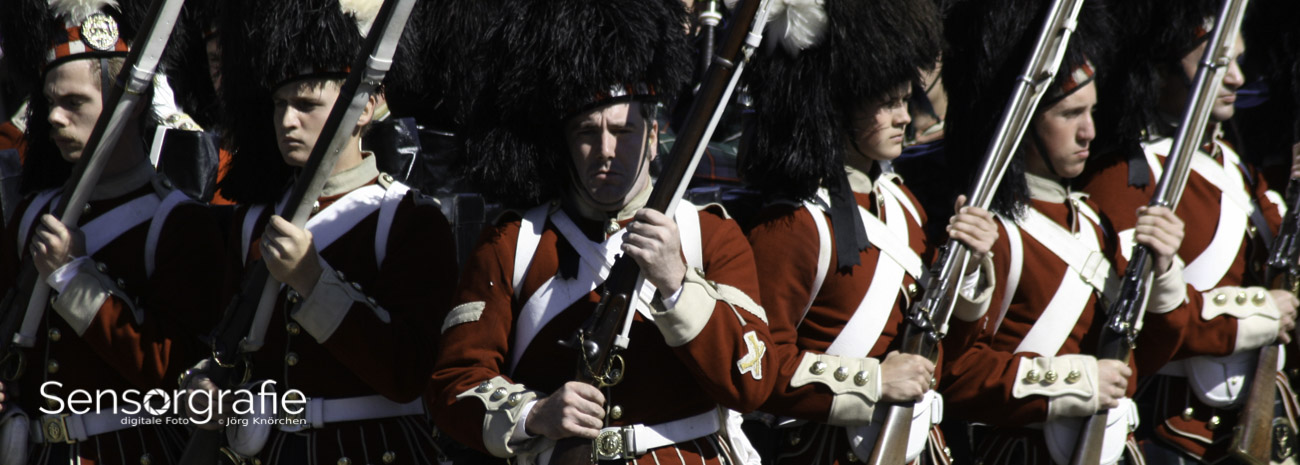
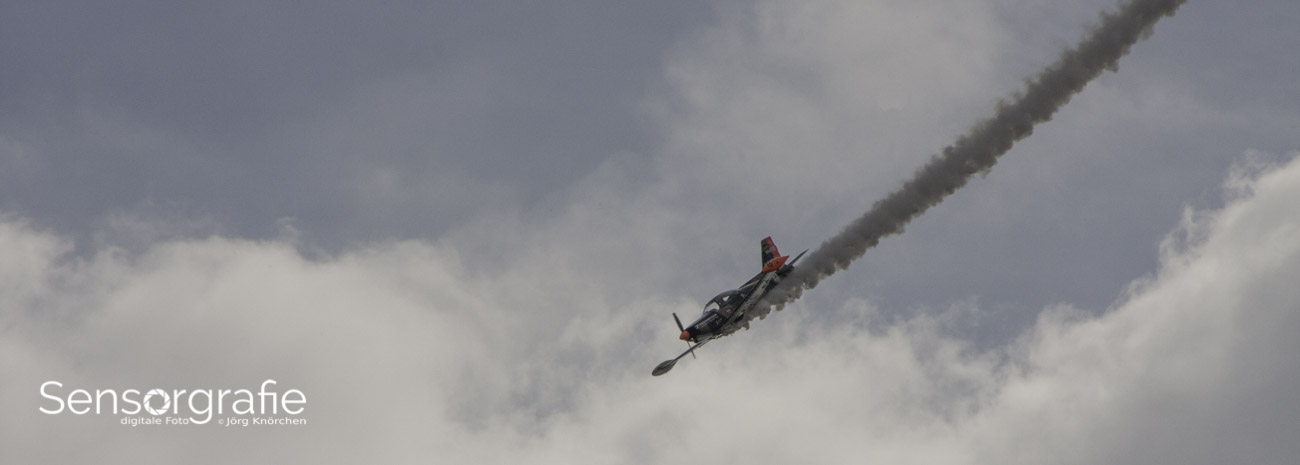
Wildlife and sports photography usually benefit from telephoto zooms. The ability to adjust framing is crucial when a bird flies closer or an athlete moves across the frame. A long prime can offer a wider aperture and outstanding autofocus performance, but it is less forgiving when the subject changes distance. For photographers working from a fixed position, the flexibility of a zoom often outweighs the prime’s optical advantages.
Macro photography presents another interesting choice. A dedicated macro prime can provide excellent sharpness, close-focusing capability, and a reproduction ratio suitable for small subjects. A macro zoom or telephoto zoom may offer more working distance and easier framing, but it may not provide true 1:1 magnification. Checking the minimum focusing distance and maximum reproduction ratio is more useful than judging the lens solely by its focal-length range.
Practical factors beyond focal length
Autofocus behavior matters as much as the lens category. Some modern zooms include fast, quiet linear motors and track moving subjects extremely well. Certain primes may focus quickly, while others prioritize compactness or manual-focus control. Reviews should be assessed for the camera body being used, since autofocus performance depends on the interaction between lens, sensor, firmware, and subject-recognition system.
Stabilization is another key consideration. Optical image stabilization, in-body stabilization, or a combination of both can make handheld shooting easier at slow shutter speeds. Stabilization helps with camera movement, not subject movement, so it cannot replace a wide aperture when photographing people who are walking, gesturing, or dancing in dim light.
Weather sealing, filter size, minimum focus distance, and handling can determine whether a lens becomes a regular companion. A lens that is technically impressive but too heavy may remain at home. A compact lens with modest specifications may produce more useful photographs simply because it is available when an opportunity appears.
Budget should include accessories and future system choices. Fast primes can look inexpensive individually, but collecting several focal lengths may cost more than buying one capable zoom. Conversely, a professional zoom can represent a major investment, while a pair of affordable primes may deliver excellent low-light capability. Camera format also changes the calculation: a 35mm lens has a different effective field of view on an APS-C body than on a full-frame camera.
Building a lens kit around real use
A practical kit begins with the subjects you photograph most often rather than with an idealized list of specifications. Review recent images and note the focal lengths, apertures, and shooting distances that recur. If many successful images were made between 35mm and 50mm, a fast standard prime may have greater value than a broad zoom range you rarely use.
Many photographers benefit from combining both designs. A versatile zoom can serve as the everyday or travel lens, while one fast prime provides better low-light performance and a different visual style. For example, a 24–70mm zoom paired with an 85mm prime covers event work and portraits effectively, while a 24–105mm zoom plus a compact 35mm prime suits travel and documentary photography.
A two-camera setup can also make the distinction practical rather than theoretical. One body with a wide or standard zoom and another with a telephoto zoom reduces lens changes during an assignment. For smaller kits, a single zoom and a lightweight prime may provide a useful balance between convenience, creative discipline, and portability.
Use these guidelines when deciding what to buy next:
- Choose a prime when low-light performance, shallow depth of field, compact size, or a consistent visual perspective is central to your work.
- Choose a zoom when subjects move unpredictably, your position is restricted, or changing lenses would cost important moments.
- Compare maximum aperture, autofocus, stabilization, weather resistance, and minimum focus distance rather than judging lenses by focal-length range alone.
- Rent or borrow a lens for a real assignment before committing to an expensive purchase.
- Keep the lens that helps you make better photographs more consistently, even if its specifications appear less impressive.
Making the choice work in the field
The debate between fixed focal lengths and variable focal lengths becomes less important once you understand your own working method. A photographer who enjoys moving through a scene may find a prime liberating, while someone covering fast-moving events may find a zoom essential. Neither choice prevents creative photography; each simply changes the decisions made before and during exposure.
It is also worth separating technical quality from visual quality. A fast prime may produce beautiful background blur, but excessive blur can remove useful context. A zoom may be slower, yet its framing flexibility can result in a stronger composition. The most valuable lens is the one that helps you recognize and capture the image in front of you.
Photography equipment reviews and digital imaging resources at Sensorgraphy photography can provide additional context when comparing camera systems, editing tools, and lens technologies. Use specifications as a starting point, then consider sample images, handling impressions, and the demands of your own assignments.
Build your kit gradually, test lenses in the conditions where you actually work, and pay attention to which limitations inspire better decisions rather than causing frustration. Once your lens supports your subject, movement, and light, the choice between a prime and a zoom becomes a creative advantage instead of a permanent equipment dilemma.