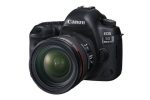
Canon vs Nikon DSLRs for studio work
Studio photography rewards control, consistency and dependable operation more than headline specifications. A camera used for portraits, products or editorial assignments may spend hours on a tripod, connected to a computer and triggered by a flash system. In that setting, handling, colour, tethering and lens choices can matter as much as resolution.
Canon and Nikon both produced excellent full-frame DSLRs for this work. Canon’s EOS 5D Mark IV remains a polished all-rounder, while the Nikon D850 offers exceptional resolution and dynamic range. The Nikon D780 and Canon EOS 6D Mark II are more affordable alternatives, particularly for photographers entering a home studio or buying carefully selected used equipment in Australia.
| Feature |
Canon EOS 5D Mark IV |
Nikon D850 |
Canon EOS 6D Mark II |
Nikon D780 |
| Sensor |
30.4 MP full frame |
45.7 MP full frame |
26.2 MP full frame |
24.5 MP full frame |
| Studio strength |
Reliable colour and balanced workflow |
High-detail product and fashion work |
Affordable portraits |
Strong live view and low-light performance |
| Tethering |
Mature software support |
Excellent high-resolution capture |
Suitable for basic studio use |
Modern live-view operation |
| Flash compatibility |
Broad Canon and third-party support |
Broad Nikon and third-party support |
Canon E-TTL ecosystem |
Nikon i-TTL ecosystem |
| Best used for |
General commercial studio work |
Maximum detail and cropping |
Portrait and small business work |
Hybrid DSLR and live-view workflows |
Choosing a body for controlled lighting
A studio does not demand the same features as a sports assignment. Weather sealing and a high continuous shooting rate are useful, but they rarely justify choosing one body over another. A stable tripod, accurate exposure and a clean tethered preview usually have a greater effect on the finished image.
The Canon 5D Mark IV is a sensible choice for photographers who need a versatile full-frame camera. Its 30.4-megapixel sensor gives plenty of detail for portraits, catalogue photography and moderate commercial prints. Canon’s menu system is approachable, and many studios already have access to EF lenses, batteries, remotes and Speedlite equipment. That existing investment can be more valuable than a small difference in sensor performance.
The Nikon D850 is the stronger option when maximum resolution is central to the assignment. Its 45.7-megapixel sensor captures fine fabric texture, jewellery detail and subtle product surfaces with impressive clarity. It also provides substantial cropping flexibility, which is useful when a studio photograph must serve several layouts. The cost is larger files, more demanding storage and a greater need for careful focusing and tripod technique.
The 6D Mark II and D780 occupy different positions in the value market. The 6D Mark II is a straightforward portrait body with pleasant colour and a fully articulating screen, while the D780 combines DSLR handling with a particularly capable live-view mode. For photographers purchasing used gear in Melbourne or Sydney, condition, shutter history and included accessories should be inspected before brand preference becomes the deciding factor.
Sensor quality and colour in the studio
Dynamic range matters when a photographer is shaping light across a face, photographing a dark object against a pale background or recovering detail from a reflective product. Nikon’s D850 generally gives greater flexibility in deep shadows and holds up very well when exposure needs adjustment. This advantage is most visible with careful raw processing rather than with straight-out-of-camera JPEGs.
Canon’s 5D Mark IV produces attractive skin tones and dependable files that respond well to common portrait workflows. Colour is subjective, and lighting modifiers, white balance, calibration and editing decisions often have a larger visual effect than the logo on the camera. A grey card and a calibrated monitor will improve consistency far more than repeatedly changing camera systems.
Resolution should be matched to the job. A 45.7-megapixel file is excellent for high-end advertising, artwork reproduction and large prints, but it can be excessive for social campaigns or standard headshots. It also reveals small errors in focus, vibration and makeup. A 24- to 30-megapixel full-frame file is easier to store and edit, and remains ample for many Australian portrait businesses.
Studio photographers should also consider raw software and computer capacity. Capture One, Lightroom and manufacturer utilities can handle both systems, but processing large D850 files may require faster storage and more RAM. This becomes relevant for freelancers working from a compact home office in Brisbane or Adelaide, where a laptop may need to manage tethered capture, backup and retouching at the same time.
Tethering, autofocus and daily operation
Tethered shooting turns the camera into part of a larger production system. The photographer, client or art director can inspect focus and composition on a large screen, while the camera remains mounted and connected to a computer. Both Canon and Nikon DSLRs can support this workflow, although compatibility depends on the operating system, cable, software version and camera firmware.
Canon has traditionally offered a smooth experience through its EOS Utility software, with broad support in popular tethering applications. The 5D Mark IV is comfortable in a portrait studio where the operator changes settings from a laptop between frames. Nikon’s D850 is equally capable for controlled capture, and its high-resolution files make client review especially useful when fabric or small product details are important.
Autofocus behaviour is less straightforward. Through the optical viewfinder, the 5D Mark IV has a mature 61-point AF system and the D850 offers a sophisticated 153-point system. For static studio subjects, either is fast enough. Live view is often more important, especially for a tripod-mounted camera, and the D780 has an advantage here because its live-view autofocus is closely related to Nikon’s newer mirrorless technology.
A reliable wired connection is usually preferable to depending on wireless transfer during a commercial session. Australian studios often operate in rented creative spaces where Wi-Fi may be shared, congested or restricted. Carrying a spare USB cable, powered hub and duplicate memory card can prevent a small connection problem from becoming a lost booking. Files should still be backed up according to the assignment’s risk and client requirements.
For photographers comparing focal lengths, this guide to prime and zoom lenses is useful when deciding whether a fixed studio lens or a flexible zoom better suits the workflow. A prime can offer a bright aperture and consistent rendering, while a zoom reduces the need to move lights and stands in a confined room.
Lenses, flashes and the cost of a system
The camera body is only part of the studio kit. A sharp 85mm or 105mm lens is a classic portrait choice, while a 50mm lens can work well for environmental portraits and smaller sets. Product photographers may prefer a macro lens, and a tilt-shift lens can help with perspective control when photographing furniture, architecture models or artwork.
Canon’s EF lens catalogue is extensive on the used market, and Nikon’s F-mount range is similarly deep. This is important in Australia, where specialist equipment can cost more after shipping, GST and retailer margins. A photographer in Perth or Hobart may also face fewer local opportunities to handle used lenses before purchasing, making reputable dealers, return policies and detailed condition reports especially valuable.
Lighting compatibility is generally strong for both brands. Canon E-TTL and Nikon i-TTL can automate flash exposure, although many studio photographers use manual power for repeatable results. Radio triggers from Godox, Profoto, Elinchrom and other manufacturers can work across systems, but the correct transmitter version is essential. A Canon trigger will not necessarily provide full functionality on a Nikon body.
For outdoor portraits or mixed-location work, neutral-density filters can help maintain a wide aperture in bright Australian sun. The practical issues are filter size, colour cast and optical quality; a photographer who already owns several lenses may need step-up rings or a larger filter. The review of ND filter choices provides useful context for selecting a filter that will not compromise a carefully lit image.
The Australian market also changes the financial calculation. New imported equipment may include GST, while a private used sale may have different warranty arrangements. Businesses should keep invoices and understand how purchases are treated for tax purposes, with advice from a qualified Australian accountant where necessary. Under Australian Consumer Law, consumer guarantees apply differently to purchases from a business and private sales, so the seller’s status and written terms matter.
Making the decision for an Australian studio
The best system is usually the one that fits existing lenses, flashes and editing habits. Switching from Canon to Nikon, or the reverse, can mean replacing a large collection of accessories. If starting from scratch, compare complete kits rather than bodies alone: include one portrait lens, a tethering cable, batteries, a trigger, storage and a colour-management device.
Photographers should also remember that DSLRs are now a mature used-market category. Canon and Nikon have concentrated current development on mirrorless systems, so a new DSLR may be old stock rather than the latest design. That is not automatically a disadvantage for studio work. A well-maintained 5D Mark IV or D850 can produce professional files for years, and mechanical simplicity may be preferable to paying a premium for features that will not be used.
Australian working conditions deserve practical consideration. A studio in Darwin may need careful climate control and storage to protect gear from heat and humidity, while a mobile photographer travelling between Sydney suburbs may prioritise a lighter kit. Power boards, extension leads and lighting equipment should be sourced from compliant Australian suppliers, especially when imported flash units or chargers are involved.
These are the most useful priorities when comparing the two systems:
- Choose the Nikon D850 when maximum resolution, cropping latitude and fine product detail are central to the business.
- Choose the Canon 5D Mark IV when balanced files, familiar controls and an established EF or Speedlite kit matter most.
- Consider the Nikon D780 for strong live-view operation and a more modern DSLR shooting experience.
- Consider the Canon 6D Mark II for affordable full-frame portraits, especially when buying into the Canon ecosystem gradually.
- Budget for tethering, colour calibration, backup storage and reliable lighting before spending everything on the body.
- Inspect used cameras for shutter count, sensor marks, card-slot behaviour, battery condition and evidence of moisture damage.
- Test the complete workflow with the chosen computer, raw software and flash trigger before accepting a paid assignment.
Studio photography is one area where an older DSLR can remain highly competitive. Canon offers a smooth, familiar route with dependable colour and extensive accessories, while Nikon provides especially strong resolution and dynamic range in the D850. For a photographer building a considered kit rather than chasing specifications, either system can support portraits, products and commercial commissions. The decisive factors are usually the lenses already owned, the required file size, the tethering workflow and the condition of the equipment available locally.
For broader digital imaging news, equipment reviews and practical guidance, the Sensorgraphy photography resource offers additional material for refining a studio workflow.